

Non-Narcotic Pain Relief
The State of Texas recommends prioritizing non-opioid medications for dental pain management. This approach is based on evidence-based guidance supported by the Centers for Disease Control and Prevention and the American Dental Association, and it aligns with the expectations of the Texas State Board of Dental Examiners regarding safe, responsible prescribing. Together, these state and national recommendations support using ibuprofen and acetaminophen as first-line treatment for most dental pain.
How does it work?
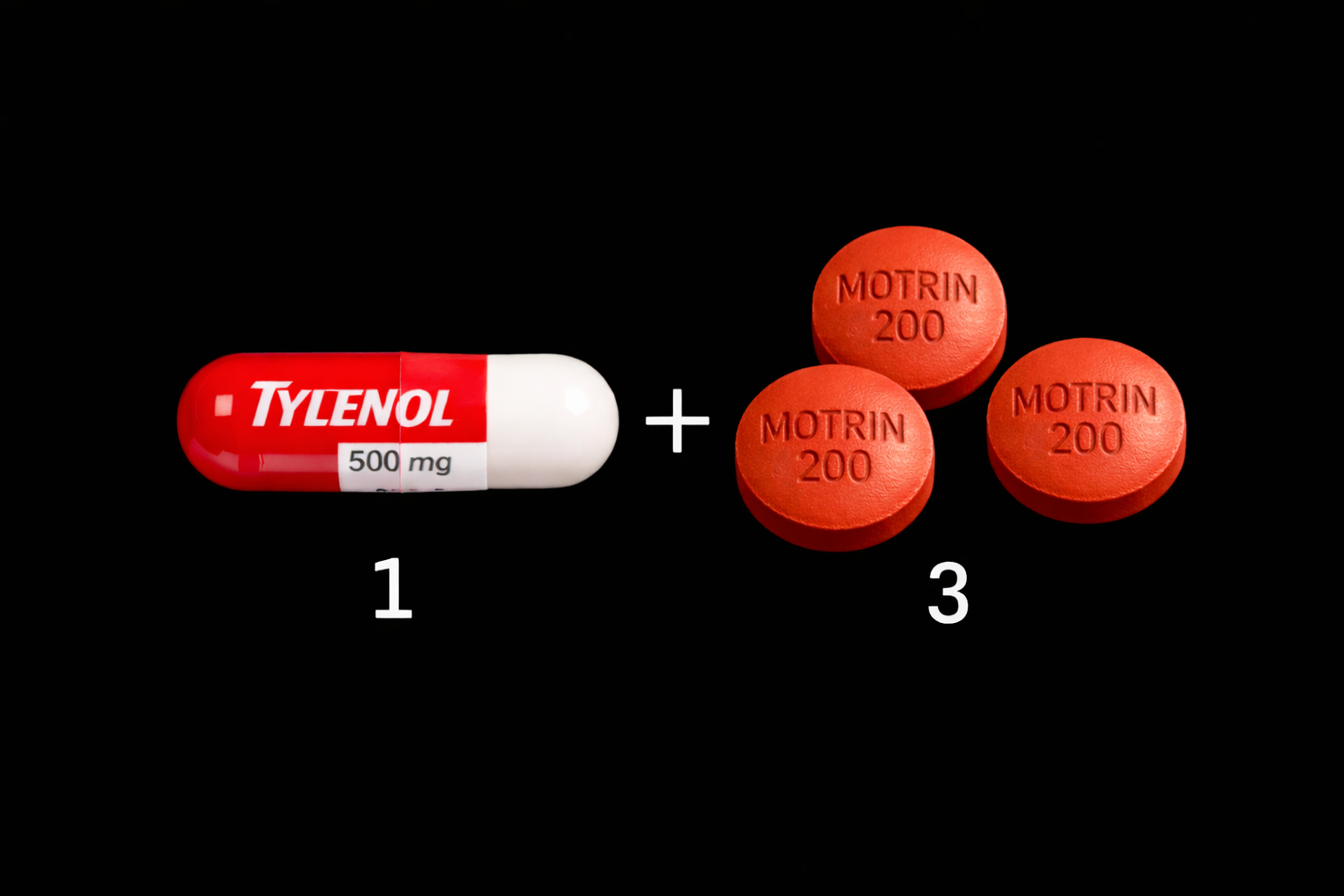
Research shows that combining three 200 mg ibuprofen and one 500 mg acetaminophen provides equal or better pain relief than opioid medications for most dental procedures, including oral surgery. These medications work through different pathways—ibuprofen reducing inflammation and acetaminophen reducing pain perception—making the combination especially effective while avoiding the side effects and risks associated with narcotics, such as nausea, sedation, constipation, and dependence.
Safety
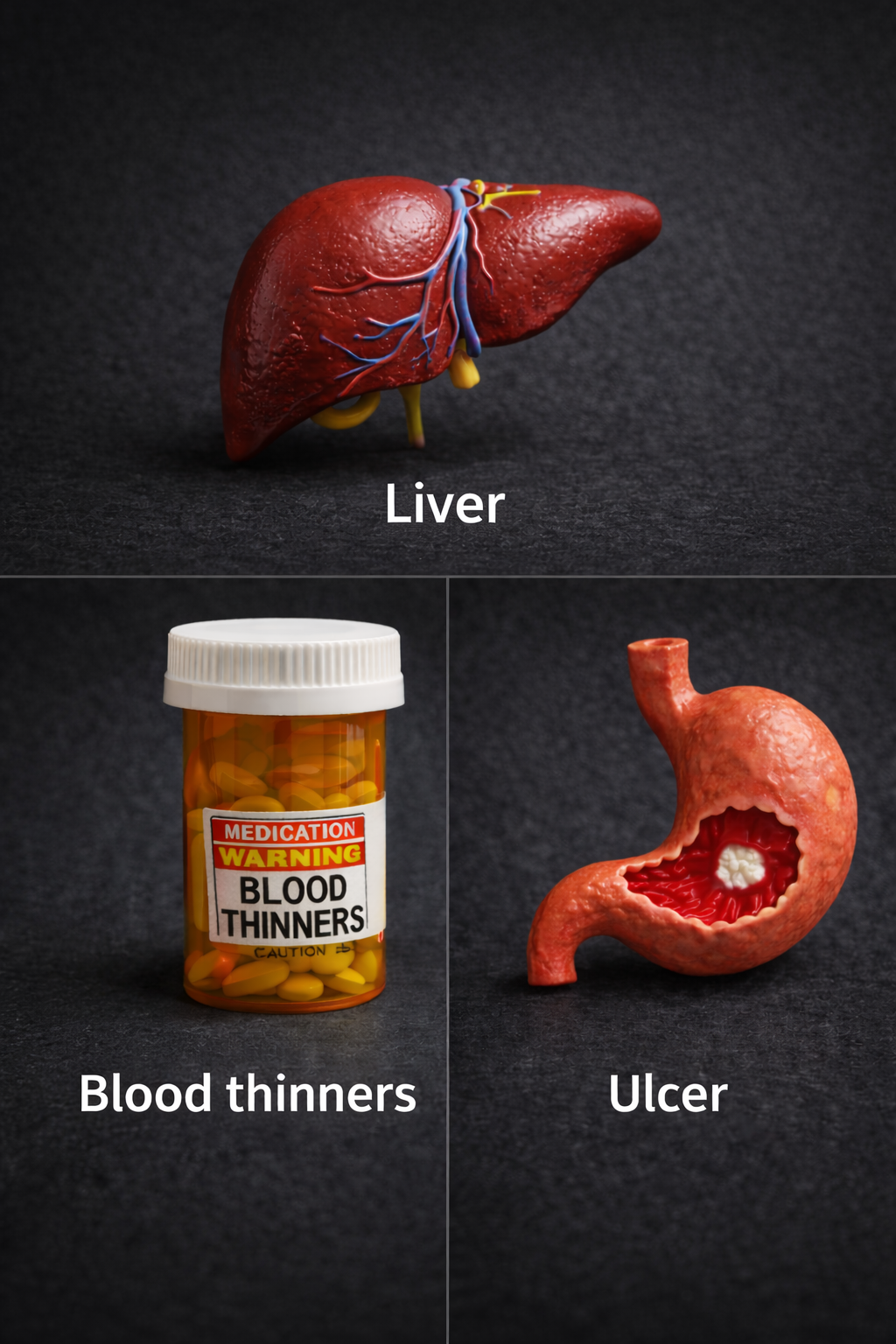
While ibuprofen and acetaminophen are safe and effective for most people when used as directed, they are not appropriate for everyone. Acetaminophen should be used cautiously in patients with liver disease or heavy alcohol use, as excessive dosing can stress the liver. Ibuprofen and other anti-inflammatory medications can increase the risk of stomach irritation, ulcers, bleeding, kidney problems, and fluid retention, especially in patients with a history of ulcers, kidney disease, bleeding disorders, or those taking certain blood thinners. For these reasons, patients with medical conditions—or anyone unsure what is safe for them—should contact our office before taking pain medication so we can provide individualized guidance.