
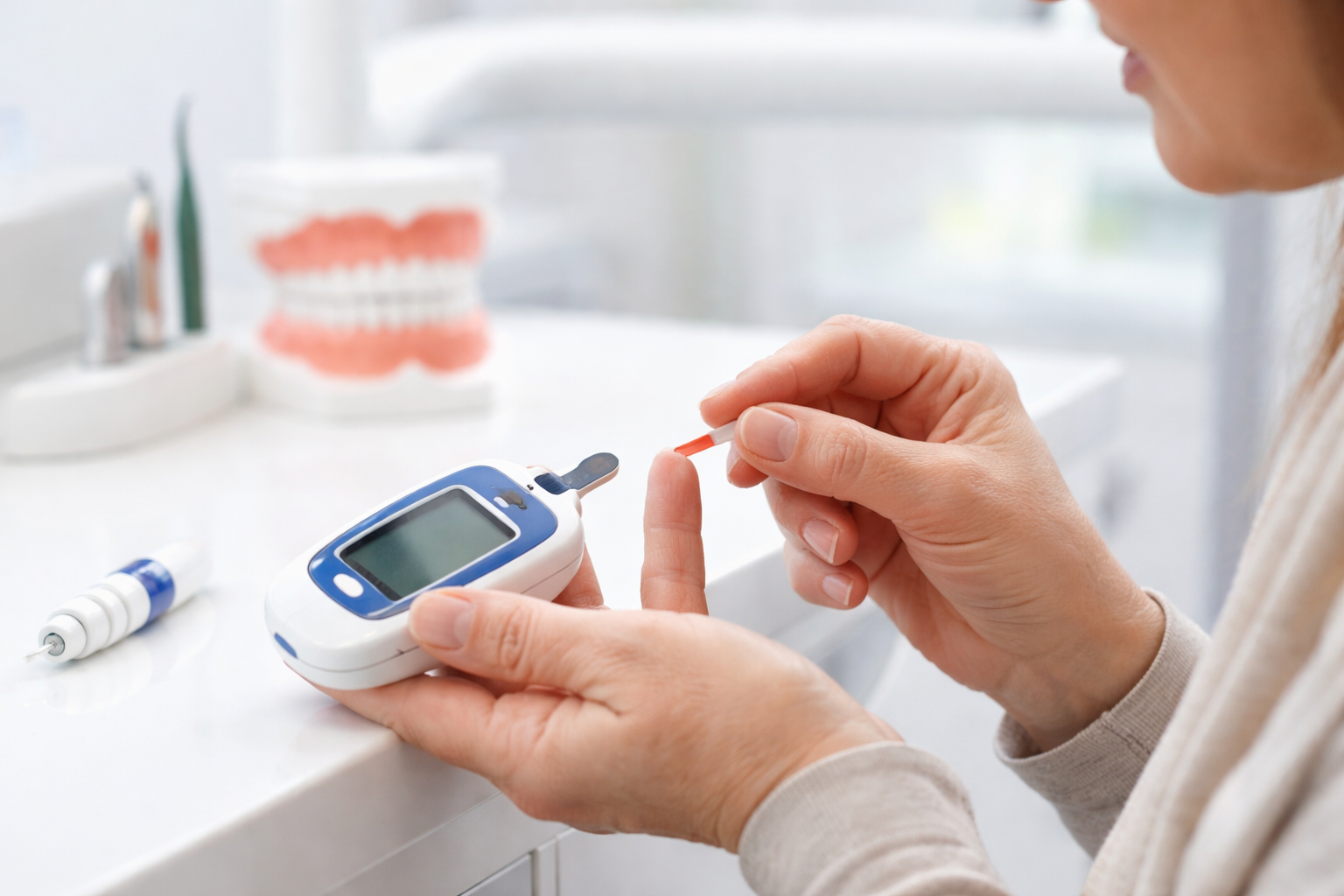
Diabetes and Your Oral Health
If you’re living with diabetes, your mouth is one of the first places the condition can show up. Elevated blood sugar can change how your immune system responds, how your tissues heal, and how your oral bacteria behave—making gum inflammation, bone loss, dry mouth, and tooth decay more likely. The good news: when diabetes and oral health are managed together, outcomes improve on both sides. Our approach is prevention-forward and evidence-based, with a clear goal—reduce inflammation, stabilize bone, and help you stay in remission from periodontal disease.
Inflammation and Bone Loss
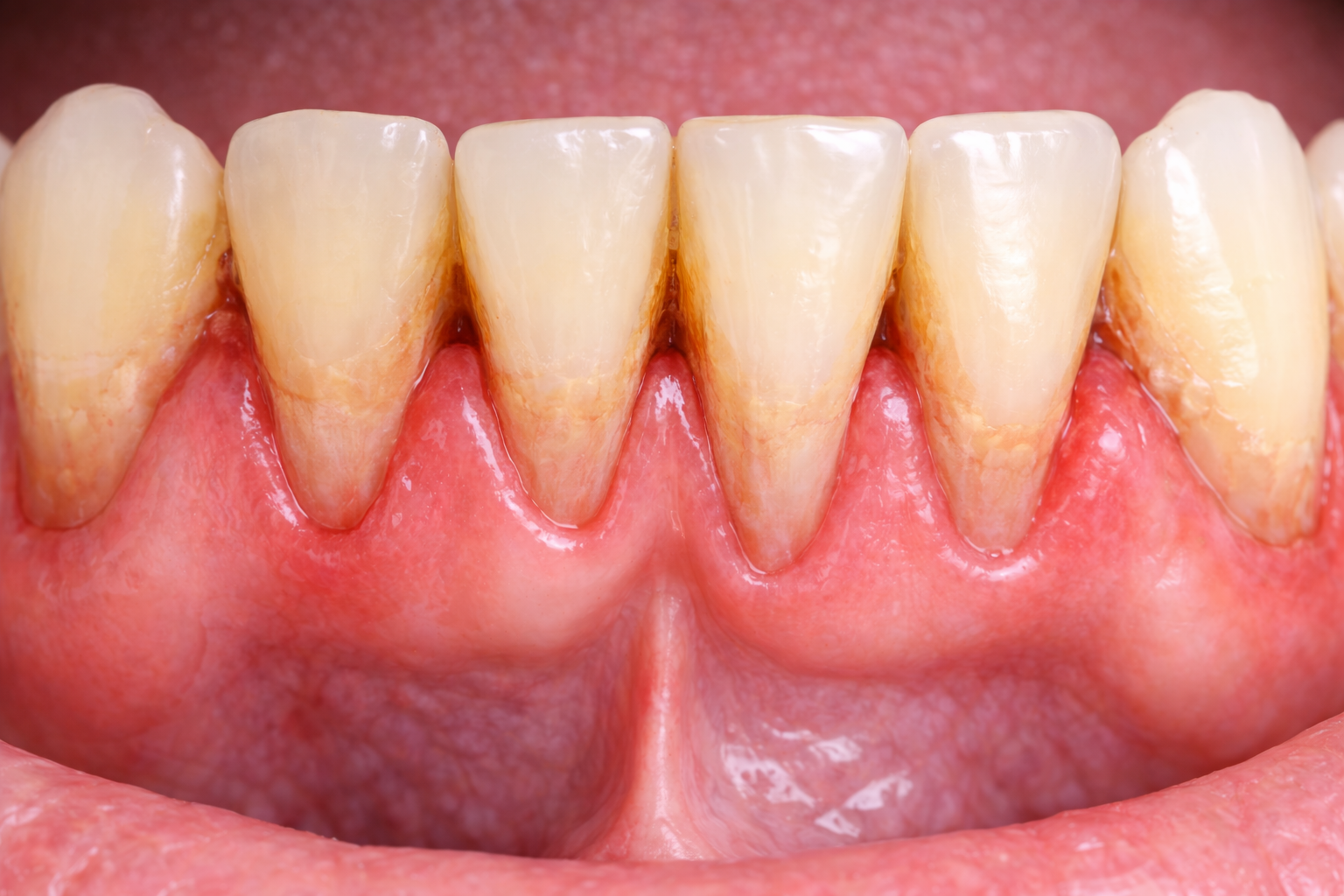
Diabetes can increase inflammation throughout the body, including the gums. When the immune response is “revved up,” the gums may react more aggressively to plaque biofilm—leading to bleeding, deeper periodontal pockets, and breakdown of the ligament and bone that hold teeth in place. Even when brushing is consistent, higher glucose levels can make inflammation harder to control and healing slower. Over time, chronic gum inflammation can contribute to bone loss, tooth mobility, and eventually tooth loss. That’s why we look closely at bleeding, pocket depths, gum attachment levels, and X-rays—and we don’t treat bleeding gums as “normal” because it’s not.
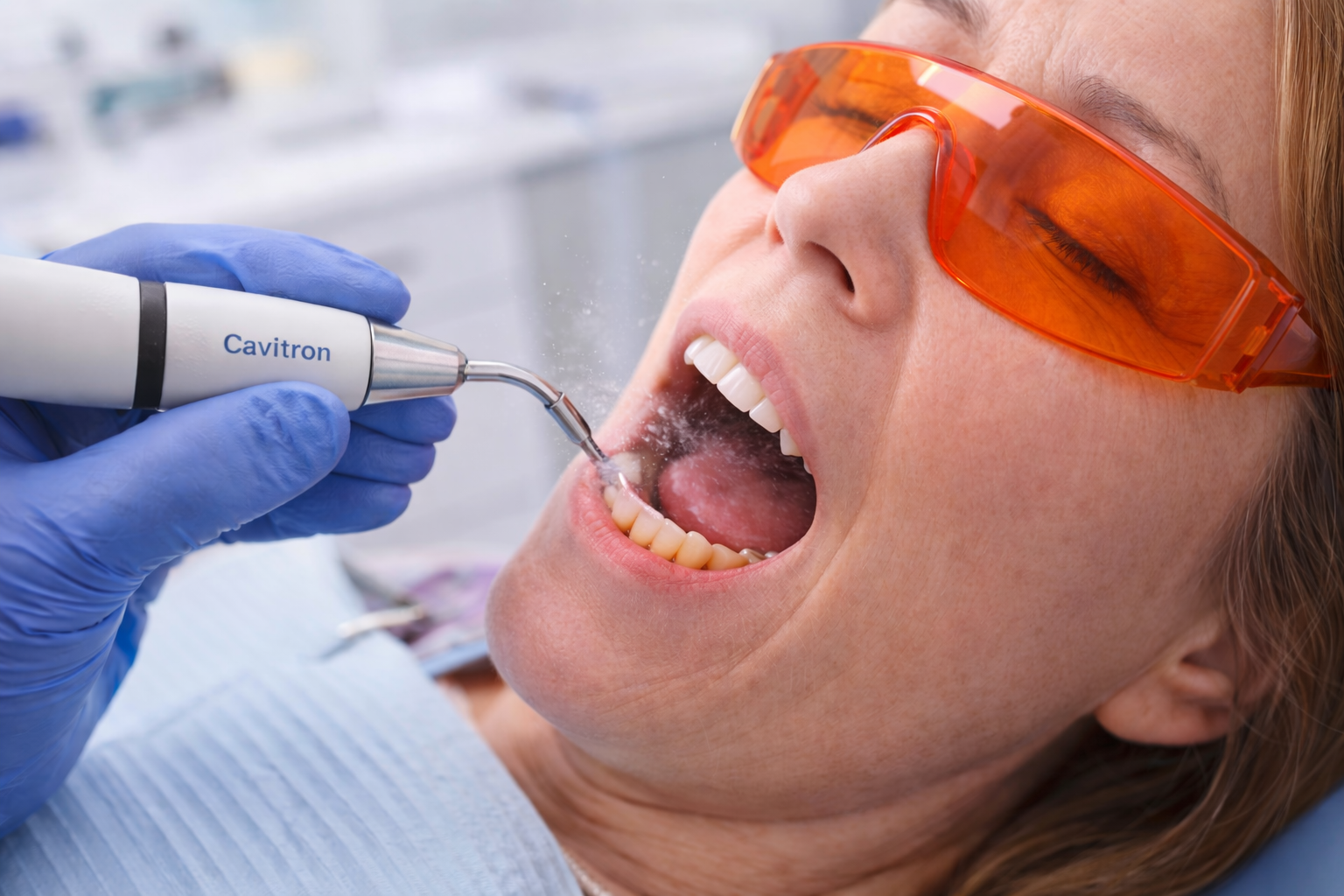
Treatment (Reducing Infection + Supporting Healing)
If we detect active gum disease, treatment is designed to lower bacterial load and calm inflammation so your tissues can recover. Depending on what we find, care may include deep cleaning (periodontal therapy), localized antibacterial protocols, and targeted home-care support to disrupt biofilm more effectively. For many patients with diabetes, success comes down to precision: identifying where inflammation is active, determining which organisms are present through saliva testing, removing the irritants that sustain disease, and then giving the body the best opportunity to heal. We’ll also coordinate with your physician when appropriate—because periodontal stability improves when overall health is supported.
Maintenance and Remission

Periodontal disease is best understood as a chronic condition—it can go into remission, but it’s not considered “curable” in the way a simple infection is. That means the long-term win is not a one-time procedure; it’s a maintenance strategy that keeps inflammation controlled and prevents relapse. After treatment, we monitor bleeding points, pocket depths, bone levels, and risk factors (including dry mouth and blood sugar control). Many patients with diabetes benefit from more frequent professional maintenance visits because they help keep the bacterial challenge low and allow us to catch flare-ups early. Our goal is simple: keep you stable, keep you comfortable, and keep you in remission.
Systemic Connections

Your gums are highly vascular tissue—when inflamed, they can become a pathway for bacteria and inflammatory signals to enter circulation. Research continues to show meaningful links between periodontal inflammation and systemic conditions, including cardiovascular disease risk and challenges with glycemic control. The relationship is two-way: diabetes can worsen gum disease, and uncontrolled gum inflammation may make blood sugar harder to manage for some patients. That’s why we frame gum health as part of your overall wellness plan—not just “teeth cleaning.” Healthy gums support a healthier body.