

Sleep Apnea & Airway Health
Sleep is not a luxury—it’s a biological necessity. When breathing is disrupted during sleep, the entire body is affected. Obstructive sleep apnea is a common but often undiagnosed condition that can quietly increase the risk of serious health problems over time.
Why sleep apnea matters to your airway and oral health

Because dentists routinely evaluate the jaw, airway, tongue position, and bite, we are often in a unique position to identify risk factors for sleep-disordered breathing and obstructive sleep apnea. As an airway-focused dental practice, we assess how oral anatomy and jaw position affect breathing during sleep and collaborate in the management of sleep apnea through dental sleep medicine and oral appliance therapy..
How dentistry plays a role

Dentistry does not diagnose sleep apnea—but dentists can help identify risk and provide treatment options once a medical diagnosis is made.
We collaborate with sleep physicians and use a comprehensive airway-focused evaluation to determine whether oral appliance therapy may be appropriate. This approach is especially helpful for patients who:
Have mild to moderate obstructive sleep apnea
Snore but do not tolerate CPAP therapy
Prefer a non-invasive, portable treatment option
Oral appliance therapy
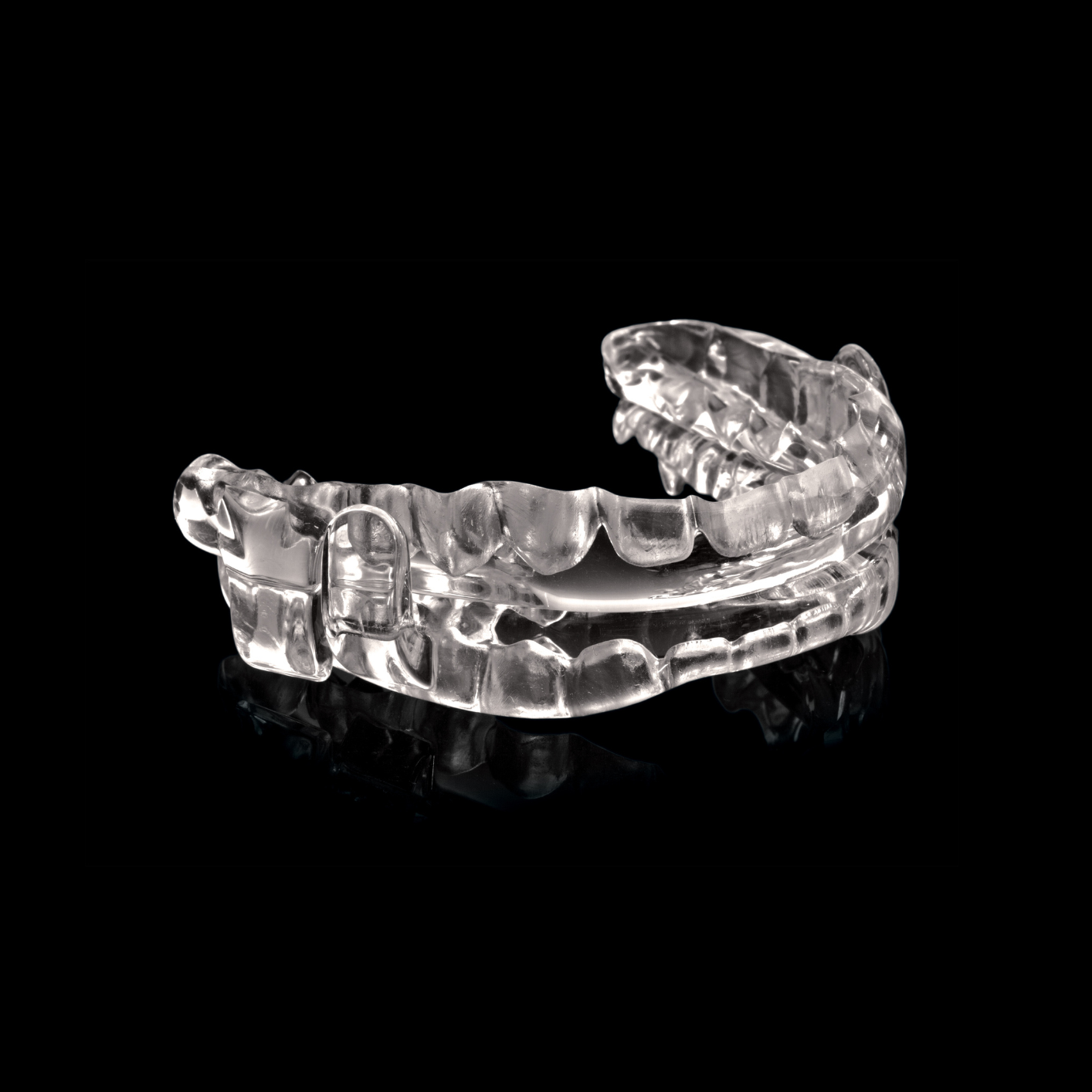
Oral appliances are custom-made devices worn during sleep that gently reposition the lower jaw and tongue to help keep the airway open. They are compact, quiet, and designed for comfort and long-term use.
Benefits may include:
Improved breathing during sleep
Reduced snoring
Better sleep quality
Increased daytime energy and focus
Each appliance is carefully fitted and adjusted over time to ensure effectiveness and comfort.