

Dry Mouth Treatment
Dry mouth is more than just an uncomfortable feeling.
When saliva flow is reduced, the mouth loses one of its most important natural defenses. Saliva helps neutralize acids, control harmful bacteria, protect enamel, and keep oral tissues healthy. Without it, the risk of cavities, gum disease, infections, and tooth sensitivity increases significantly.
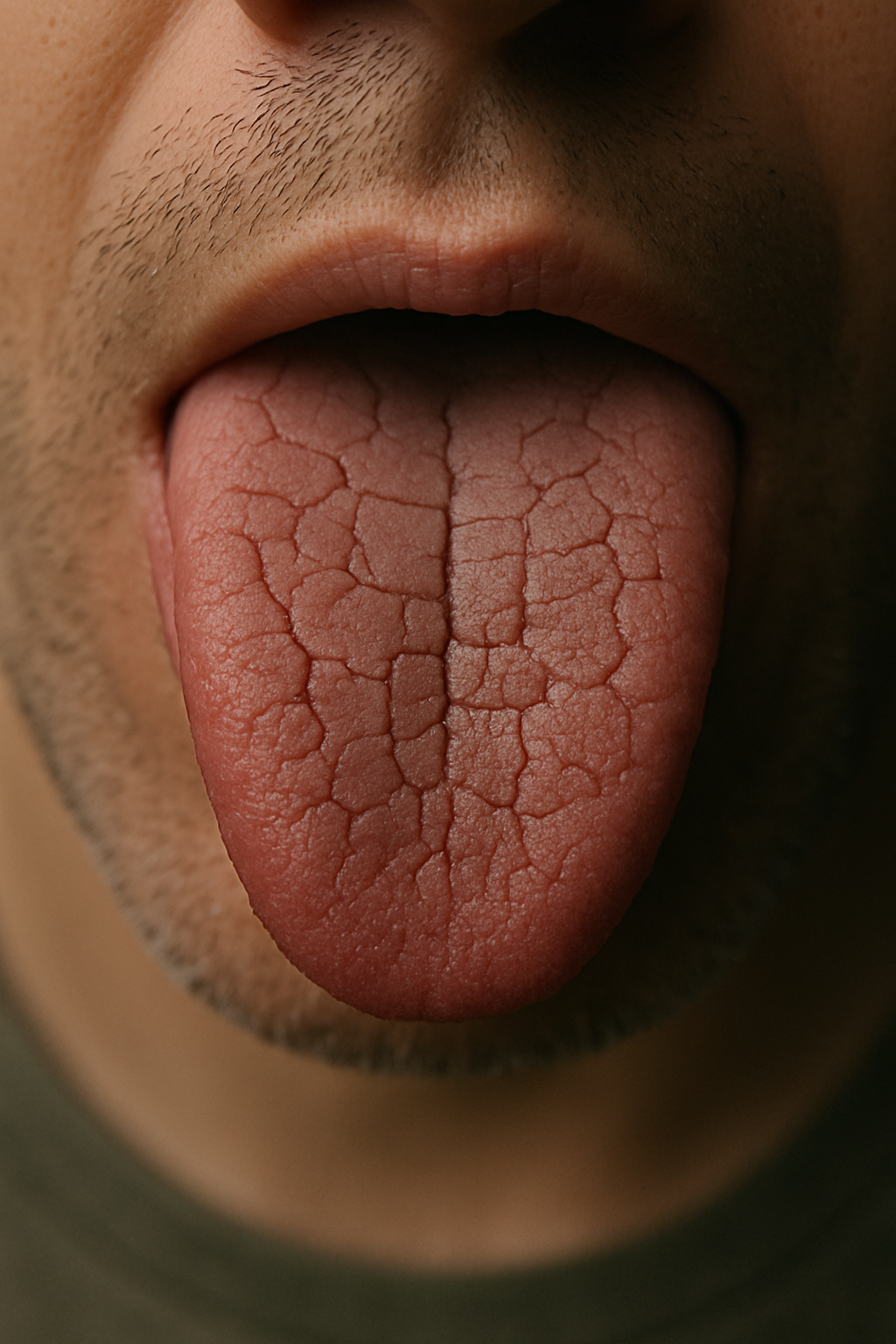
Dry mouth—also known as xerostomia
Xerostomia is commonly caused by medications, medical conditions, cancer therapies, CPAP use, dehydration, and normal changes with aging. Many people live with symptoms for years without realizing that effective treatment and protection options exist.
At our practice, dry mouth treatment focuses on identifying contributing factors and protecting your teeth and oral tissues before damage occurs. Care is personalized and may include preventive strategies, enamel protection such as enamel regeneration, saliva support, and long-term monitoring to reduce decay and discomfort.
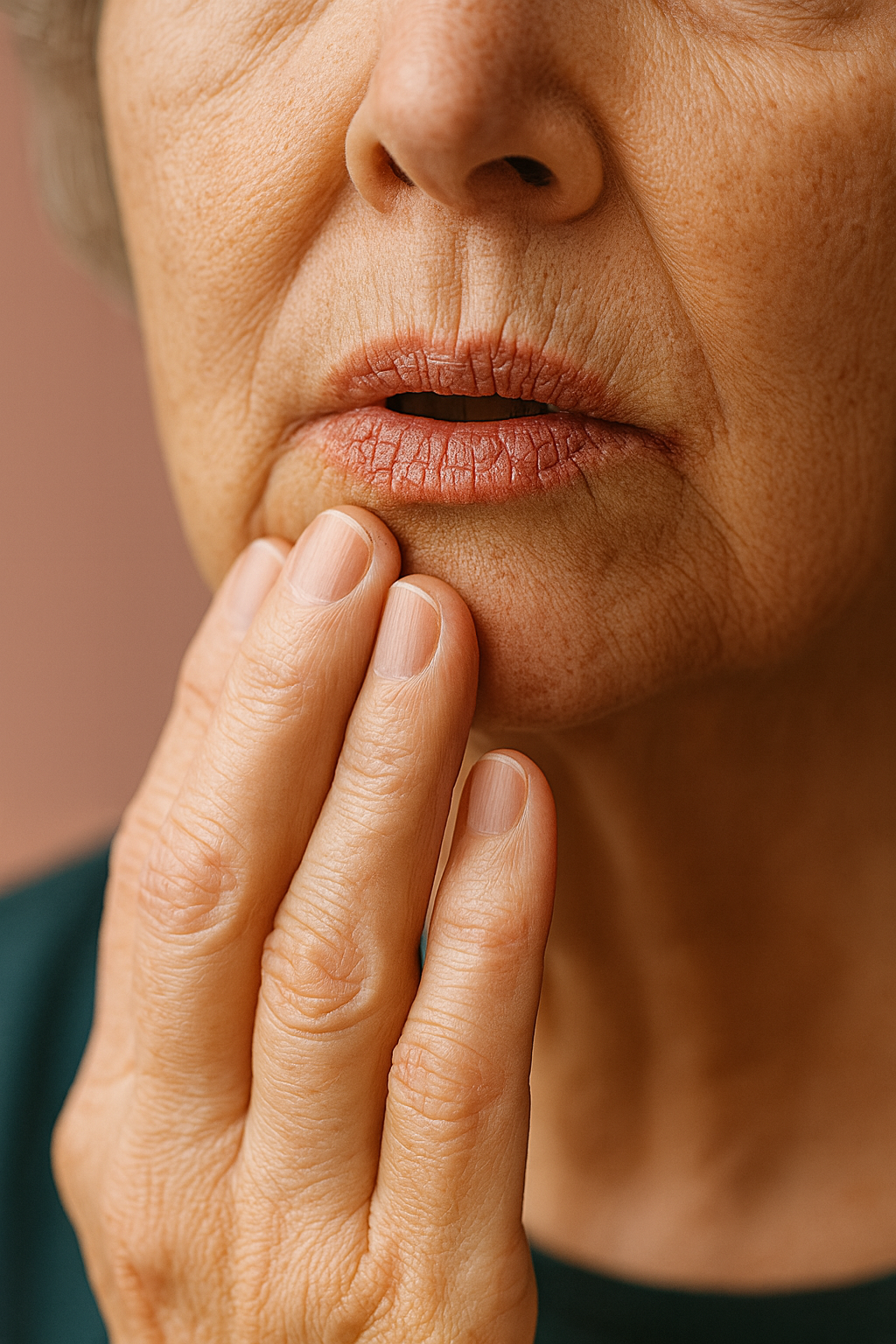
Common Signs of Dry Mouth
Persistent dryness or sticky feeling in the mouth
Increased cavities or rapid tooth decay
Burning or sore tongue
Difficulty swallowing or speaking
Altered taste
Cracked lips or mouth corners
If you recognize these symptoms, early evaluation can help prevent more serious oral health problems.
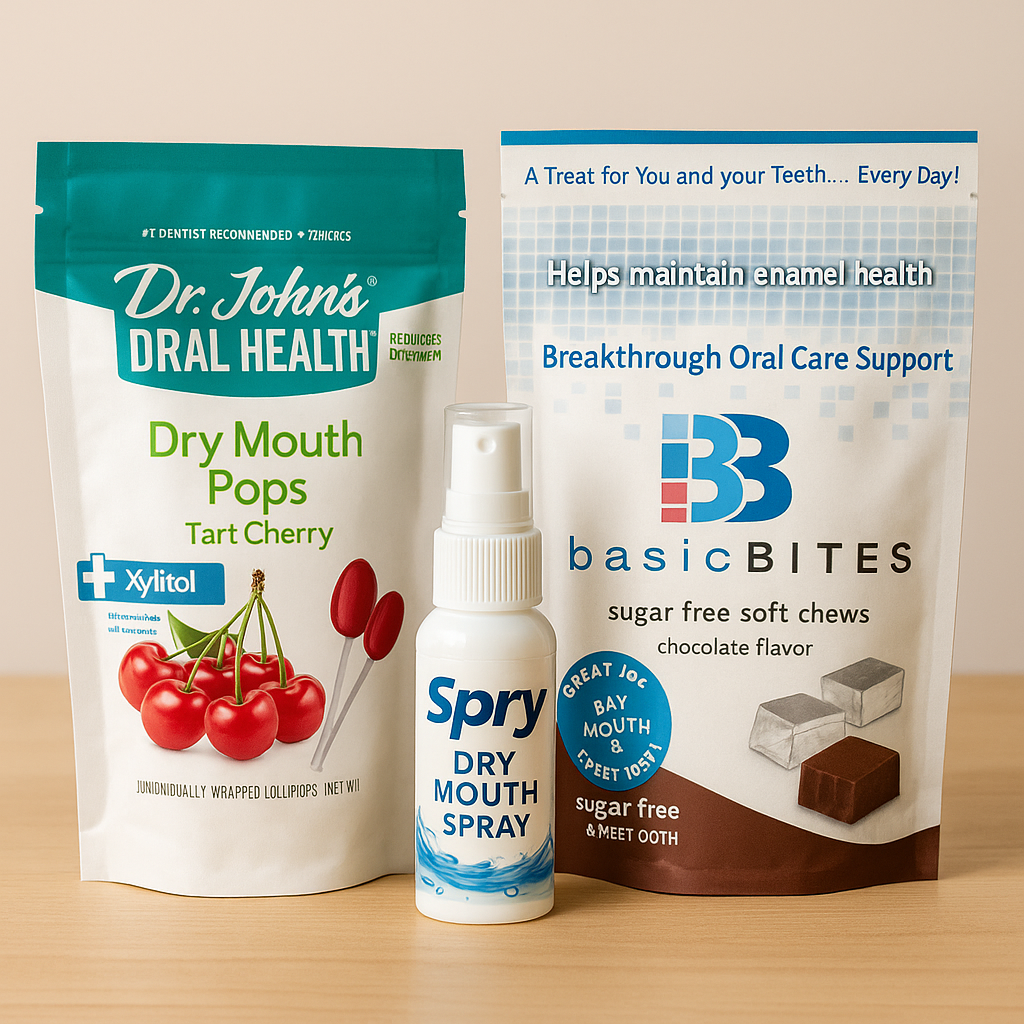
Dry Mouth Care May Include:
Saliva-support products to improve comfort and lubrication
Enamel protection to reduce sensitivity and cavity risk, including preventive approaches such as enamel regeneration Preventive strategies to help manage bacterial imbalance
Personalized home-care product recommendations available in the oral wellness studio
Long-term monitoring to catch early signs of damage
Treatment recommendations are individualized based on symptoms, medical history, and overall oral health.
Frequently Asked Questions
-
Dry mouth is most commonly caused by medications, medical conditions, cancer treatments, CPAP use, dehydration, and normal changes with aging. In many cases, more than one factor is involved.
-
Saliva helps neutralize acids, control harmful bacteria, protect enamel, and keep oral tissues healthy. When saliva flow is reduced, the risk of cavities, gum disease, and oral infections increases significantly.
-
Yes. Even with good oral hygiene, reduced saliva can allow cavities to develop quickly because the mouth loses its natural protective balance. Reduced saliva increases enamel breakdown, which may be addressed with enamel regeneration and enhanced preventive care.
-
Dry mouth is not caused by aging alone, but it becomes more common as people take more medications or develop medical conditions that affect saliva production. It should not be ignored at any age.
-
While saliva flow cannot always be fully restored, treatment focuses on improving comfort, protecting teeth, and reducing decay risk. Care is personalized based on the cause and severity of symptoms.
-
If dry mouth is persistent, worsening, or associated with frequent cavities, discomfort, or difficulty swallowing, evaluation is recommended. Early care can help prevent long-term oral damage.