

Dental Cleanings for Healthier Gums, Stronger Teeth, and a Longer Life
Preventive cleanings keep healthy gums stable by gently removing biofilm before it can cause inflammation. These visits are designed for patients with no bleeding or gum disease and help support long-term oral and overall wellness.

What Makes a Preventive Cleaning Different?
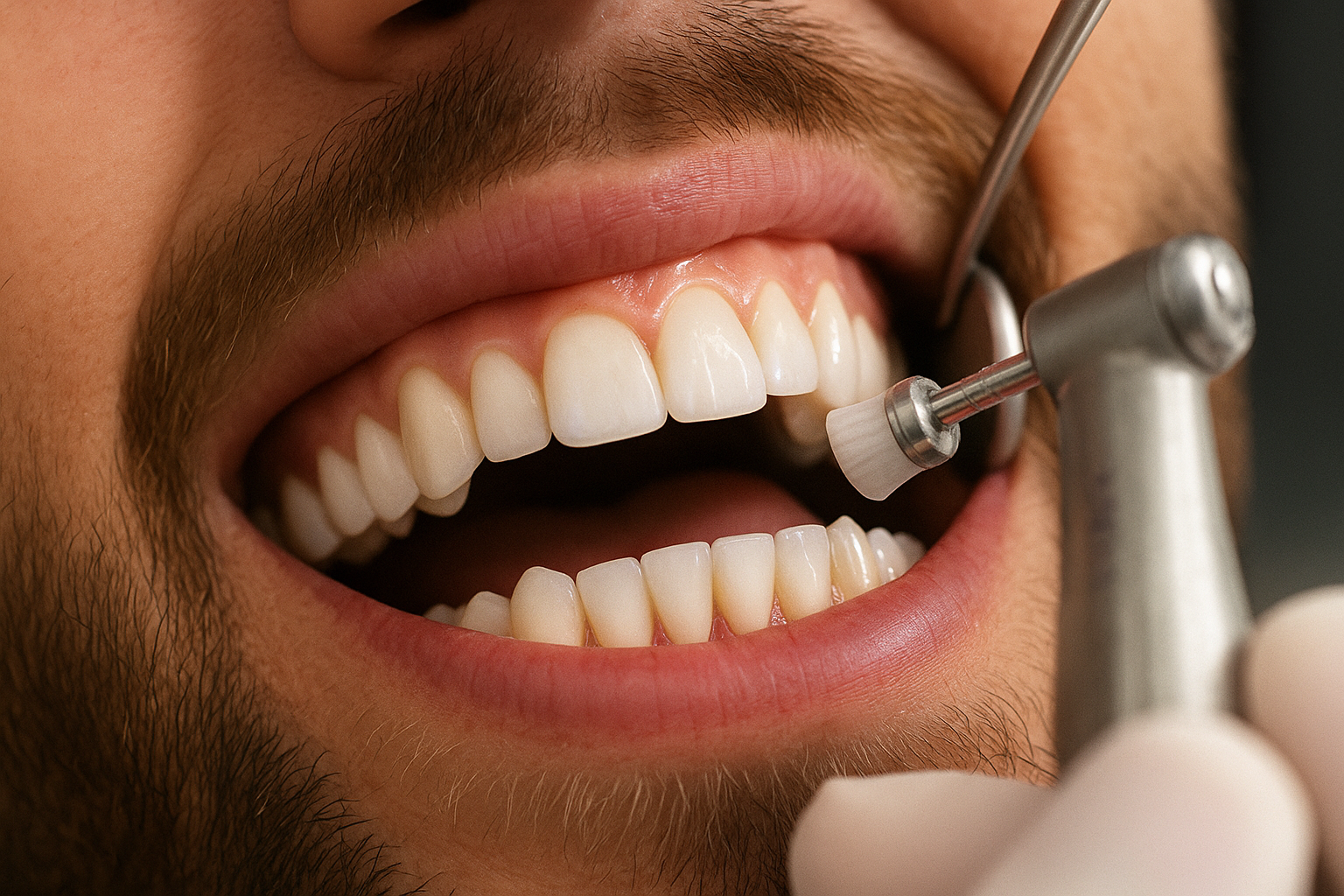
A preventive cleaning (prophylaxis) is for patients with healthy gums and no signs of inflammation. It removes soft plaque, biofilm, and light tartar above the gumline to protect against gum irritation, cavity formation, and shifts in the oral microbiome. Because the gums are healthy, the goal is to maintain stability, not treat disease.
Are You a Candidate for Preventive Cleanings?
You’re a good candidate for a preventive cleaning if your gums show:
No bleeding during brushing or flossing
No periodontal pockets deeper than 3 mm
No active inflammation
No history of periodontal disease
Stable bone levels on X-rays
If bleeding, swelling, or early inflammation is present, we will recommend Gingivitis Therapy to protect long-term gum health.

Healthy gums form a natural barrier that keeps harmful bacteria from entering the bloodstream. Preventive cleanings reduce inflammation at its earliest stage and help maintain immune balance. This supports overall wellness and lowers your risk for systemic conditions associated with oral inflammation, including cardiovascular disease, diabetes complications, and chronic immune stress.
What Makes a Preventive Cleaning Why Preventive Cleanings Matter for Whole-Body Health?
Frequently Asked Questions
-
A preventive cleaning removes plaque, biofilm, and light tartar above the gumline for patients with healthy gums and no active disease. Its goal is to maintain gum health.
-
Most patients benefit from visits every six months. Higher-risk patients (dry mouth, high cavity risk, medical conditions) may need more frequent care.
-
Only if your gums are fully healthy. Once inflammation or bone loss appears, a therapeutic or periodontal cleaning is required.
-
A preventive cleaning helps remove plaque and biofilm, but it cannot reverse active gum inflammation. If early gingivitis is present—even mild bleeding—you may need a therapeutic cleaning to fully restore gum health. Preventive cleanings are ideal once inflammation has resolved and stability is maintained.
-
Bleeding is a sign of inflammation. In that case, a preventive cleaning may not be appropriate, and Gingivitis Therapy is typically recommended.
-
Most plans cover two preventive cleanings per year. If a higher level of cleaning is needed, insurance may categorize it differently—we’ll review your benefits with you.
-
Yes. Reducing oral inflammation supports immune health and lowers systemic risks, including cardiovascular and metabolic complications.
-
Delaying a preventive cleaning allows plaque and biofilm to harden into tartar, increasing your risk of gingivitis, cavities, bad breath, and gum recession. Missing regular cleanings can also lead to inflammation that requires more advanced treatment later. Staying on schedule is one of the easiest and most effective ways to protect your long-term oral health.