
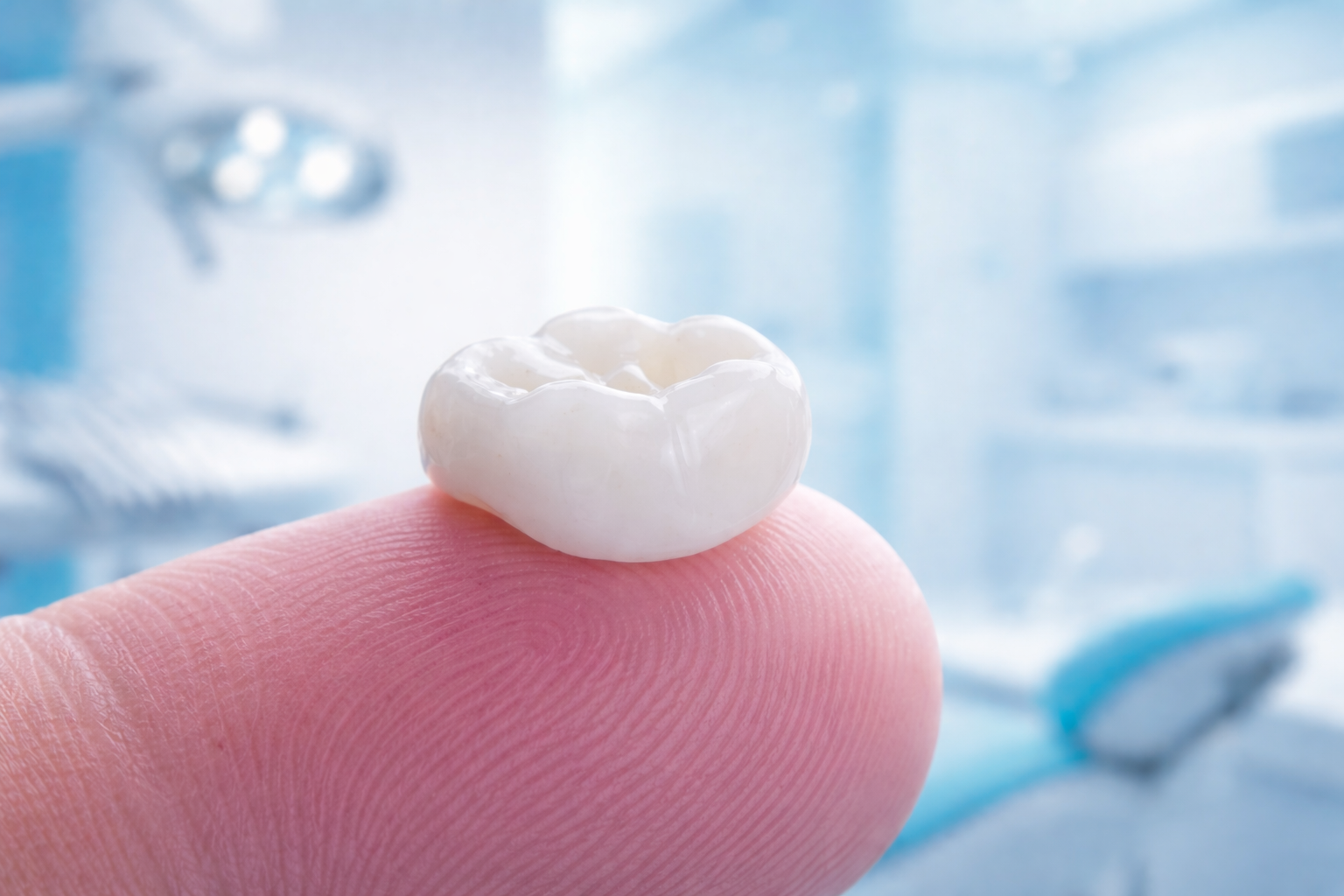
Crowns
A dental crown is a custom-made covering that fits over a damaged or weakened tooth, restoring its shape, strength, appearance, and function. Think of it as a protective shell designed to reinforce a tooth that can no longer reliably support itself.
Crowns are recommended when a tooth requires more protection than a filling can provide.
Common reasons include:
Large fillings that weaken the remaining tooth
Cracked or fractured teeth
Teeth after root canal therapy
Severely worn teeth
Cosmetic improvements
Broken teeth
A crown helps prevent further damage while allowing the tooth to function normally.
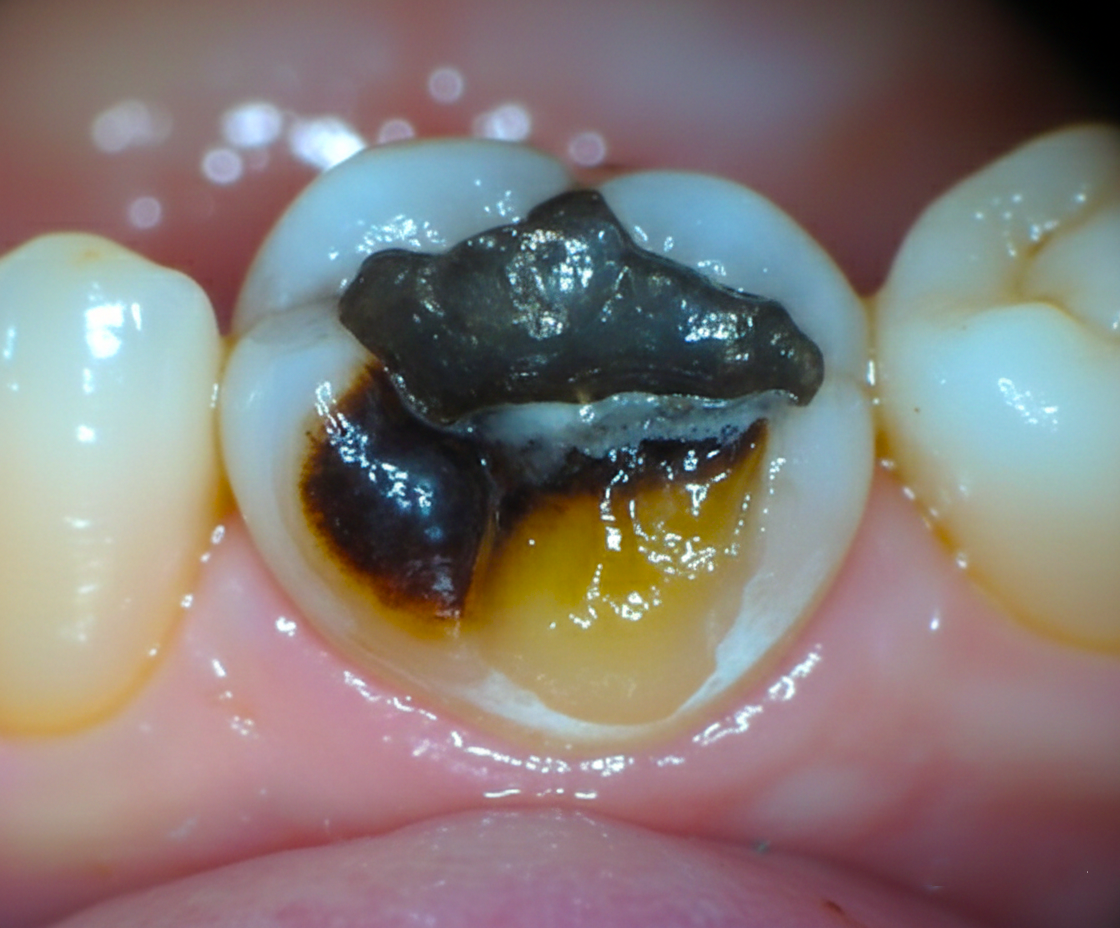
Why Would a Tooth Need a Crown?
Tooth Preparation
A small amount of enamel is precisely reshaped to create space for the crown while preserving as much healthy tooth structure as possible.Digital Scan / Impression
An accurate 3D model of your tooth is captured to ensure your custom crown fits with exceptional precision.Temporary Crown Placement
A comfortable temporary crown protects your tooth while your final restoration is being fabricated.Final Crown Placement and Adjustment
The temporary crown is removed and your permanent crown is inserted, adjusted and bonded into place.
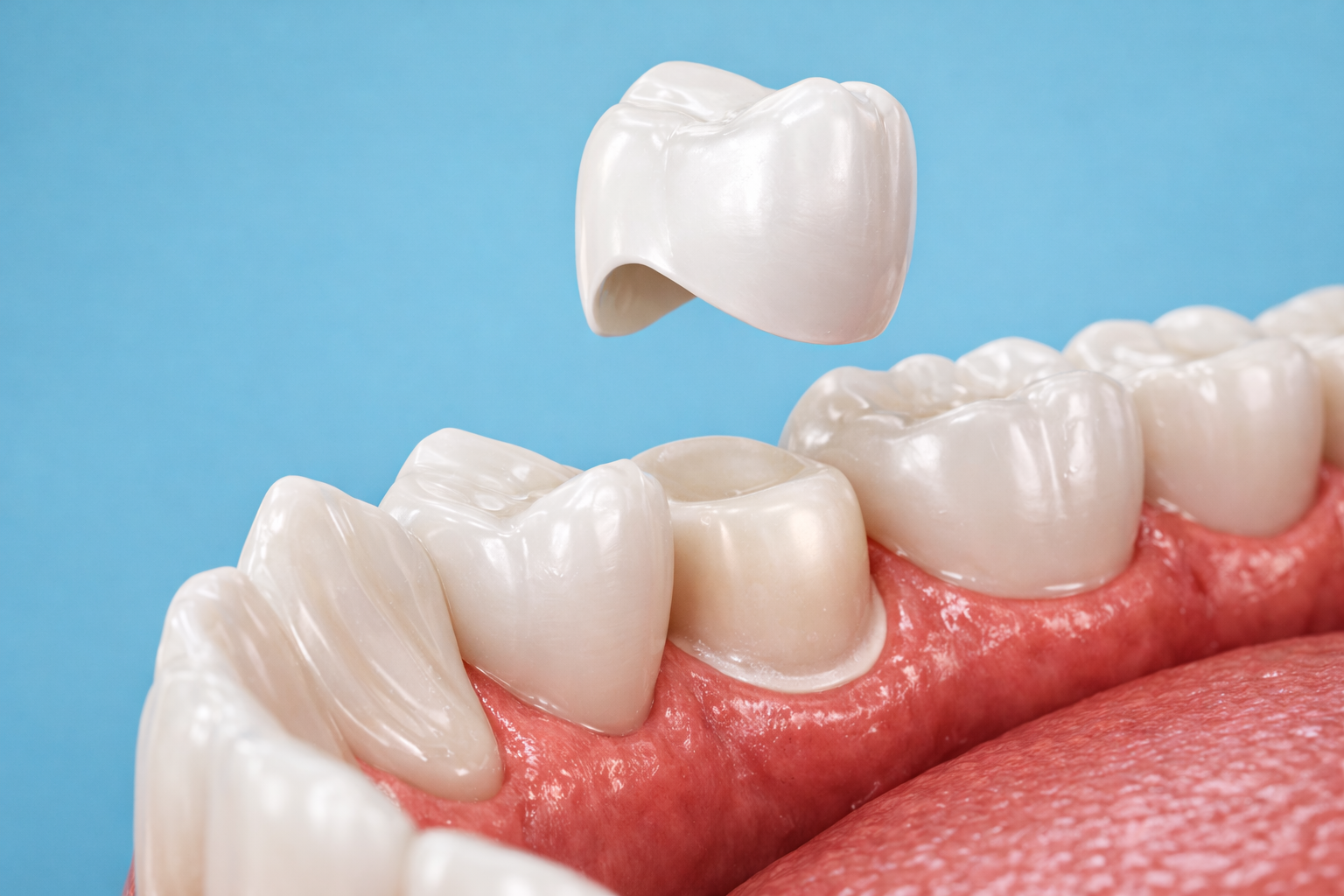
The Crown Process
Frequently Asked Questions
-
Yes. While the crown itself cannot decay, the underlying tooth can. This is why brushing, flossing, and preventive cleanings remain essential.
-
Fillings repair damage. The larger your filling the weaker the tooth is. Crowns protect weakened teeth. When too much tooth structure is compromised, a filling may not provide enough strength to prevent fractures.
-
Yes. Modern ceramic and porcelain crowns are designed to match your natural teeth in shape, shade, and translucency, making them virtually indistinguishable
-
A weakened tooth is more likely to fracture over time. Delaying treatment can sometimes lead to more extensive procedures, including root canal therapy or extraction.
-
While crowns are designed to be securely bonded, they can occasionally loosen due to factors such as underlying decay, heavy biting forces, or cement wear over time. If a crown feels loose or comes off, it is usually not an emergency, but it should be evaluated promptly to protect the tooth.
-
With proper care, modern crowns commonly last 10–20+ years. Longevity depends on oral hygiene, bite forces, grinding habits, and overall tooth health. Dry mouth can significantly reduce the life of a crown.