
What Dentistry Looked Like 100 Years Ago
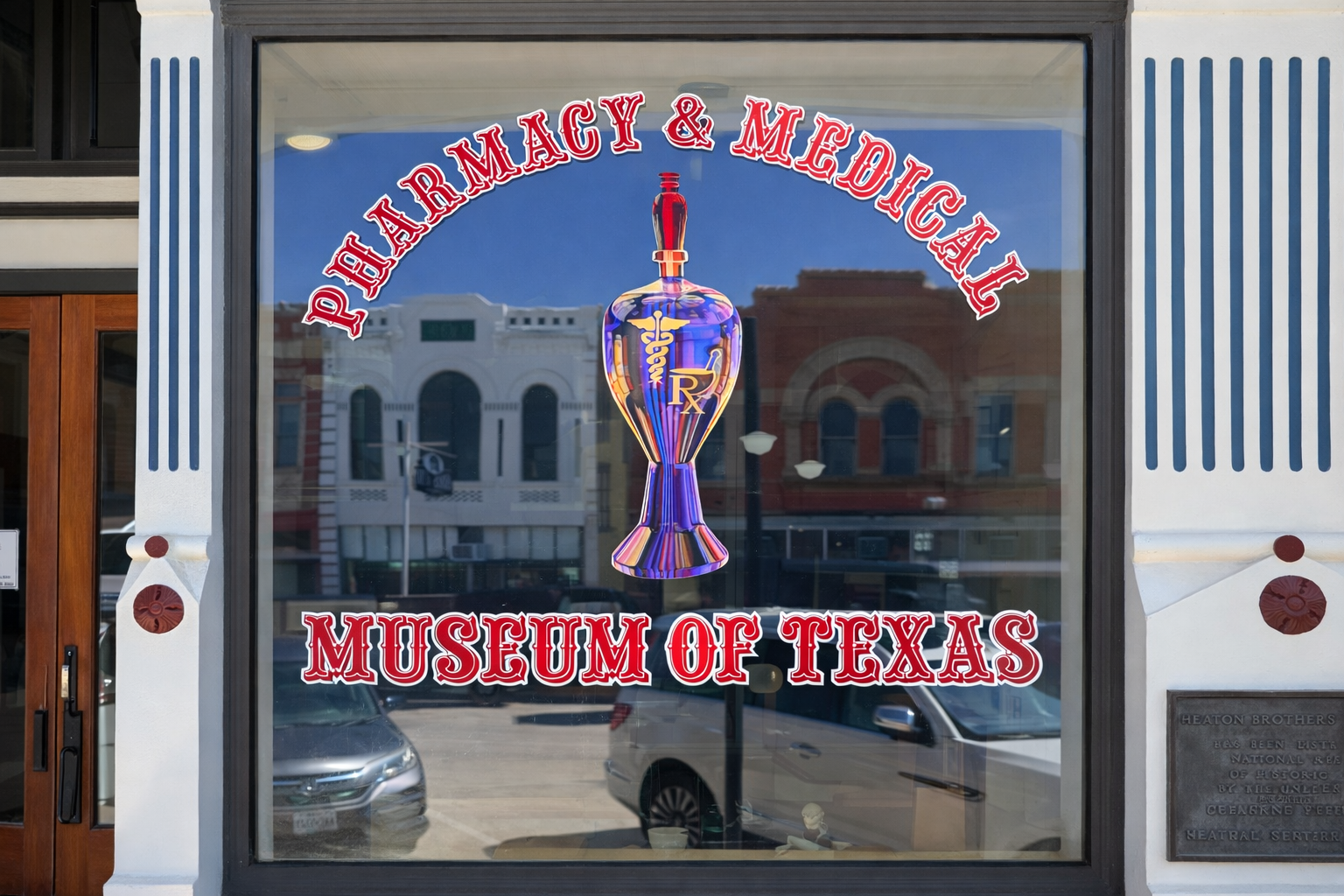
A Visit to the Pharmacy and Medical Museum of Texas
Recently I took a short drive from Victoria to visit the Pharmacy and Medical Museum of Texas. The museum is housed inside a historic pharmacy building and contains an impressive collection of artifacts from the early days of medicine, pharmacy, and dentistry.
As a dentist, I was especially curious about the dental displays. Walking through the exhibits felt like stepping into a time capsule. The instruments, advertisements, and equipment on display show what dental care looked like in the late 1800s and early 1900s—long before modern technology transformed the profession.
Seeing these artifacts in person gives you a deeper appreciation for how much dentistry has evolved.
Early Dental X-Ray Equipment
One of the first pieces that caught my attention was an early dental X-ray machine. Compared with the compact digital systems we use today, the equipment looks large and mechanical, with a heavy metal frame and a cone-shaped tube designed to direct radiation toward the patient.
Early dental radiographs required significantly longer exposure times. In some cases, exposures could last twenty seconds or more, and radiation protection standards were still developing.
Today, digital radiography allows dentists to capture highly detailed images in seconds while dramatically reducing radiation exposure. It’s one of many ways modern technology has made dentistry safer and more precise.
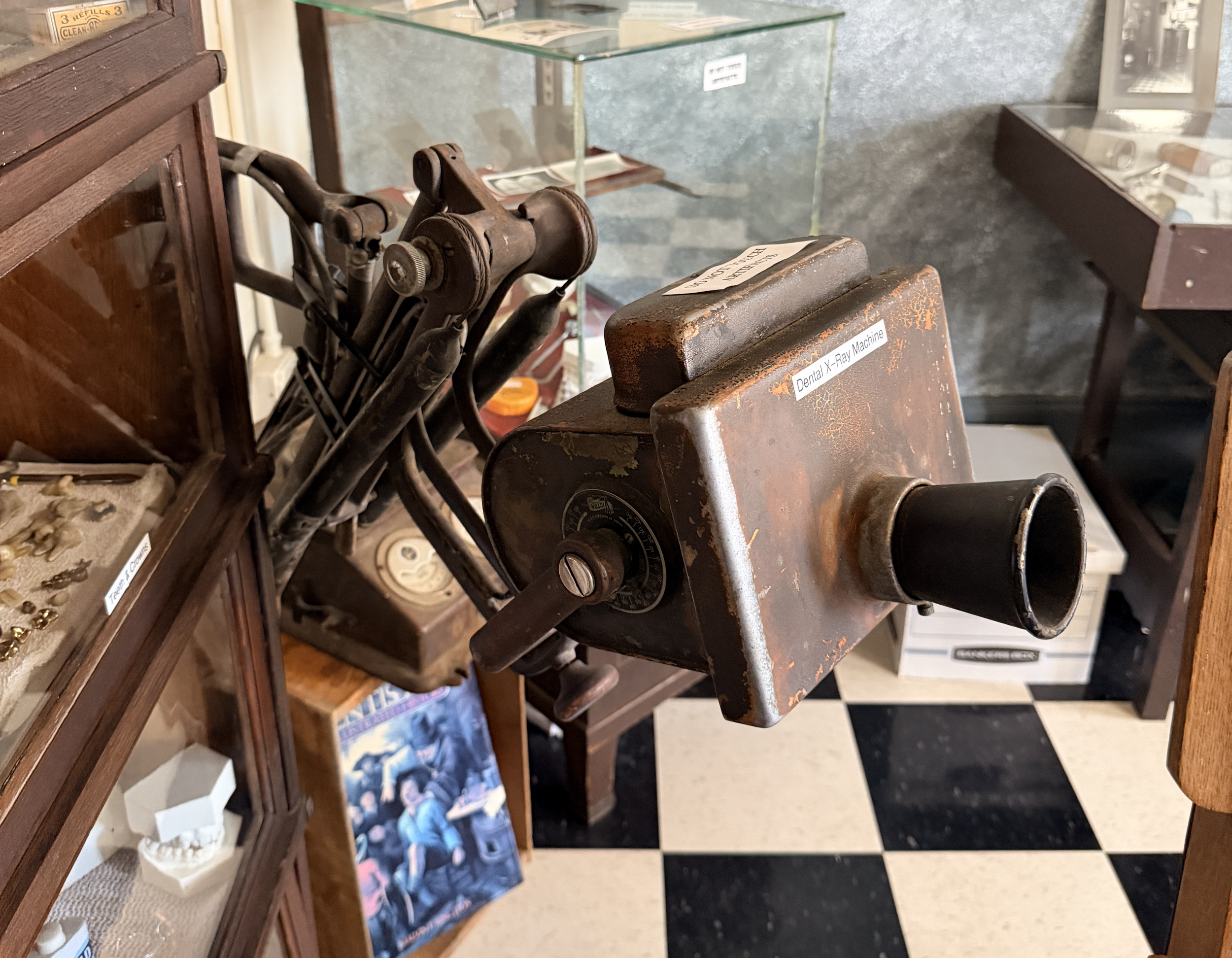
Early 1900s dental X-ray machine with adjustable arm and cone tube.
When Toothpaste Was a Powder
Another display featured Dr. Lyon’s Tooth Powder, a product that was widely used in the late nineteenth and early twentieth centuries. Before toothpaste became common in tubes, many people cleaned their teeth with powdered formulations.
These powders typically contained abrasive ingredients such as chalk or calcium carbonate along with flavoring oils. The labels often emphasized that the product was recommended by dentists, which was already an important marketing message even a century ago.
Looking at the packaging makes you realize how much dental products have evolved. Modern toothpaste formulations are designed not only to clean teeth but also to strengthen enamel and help prevent cavities.
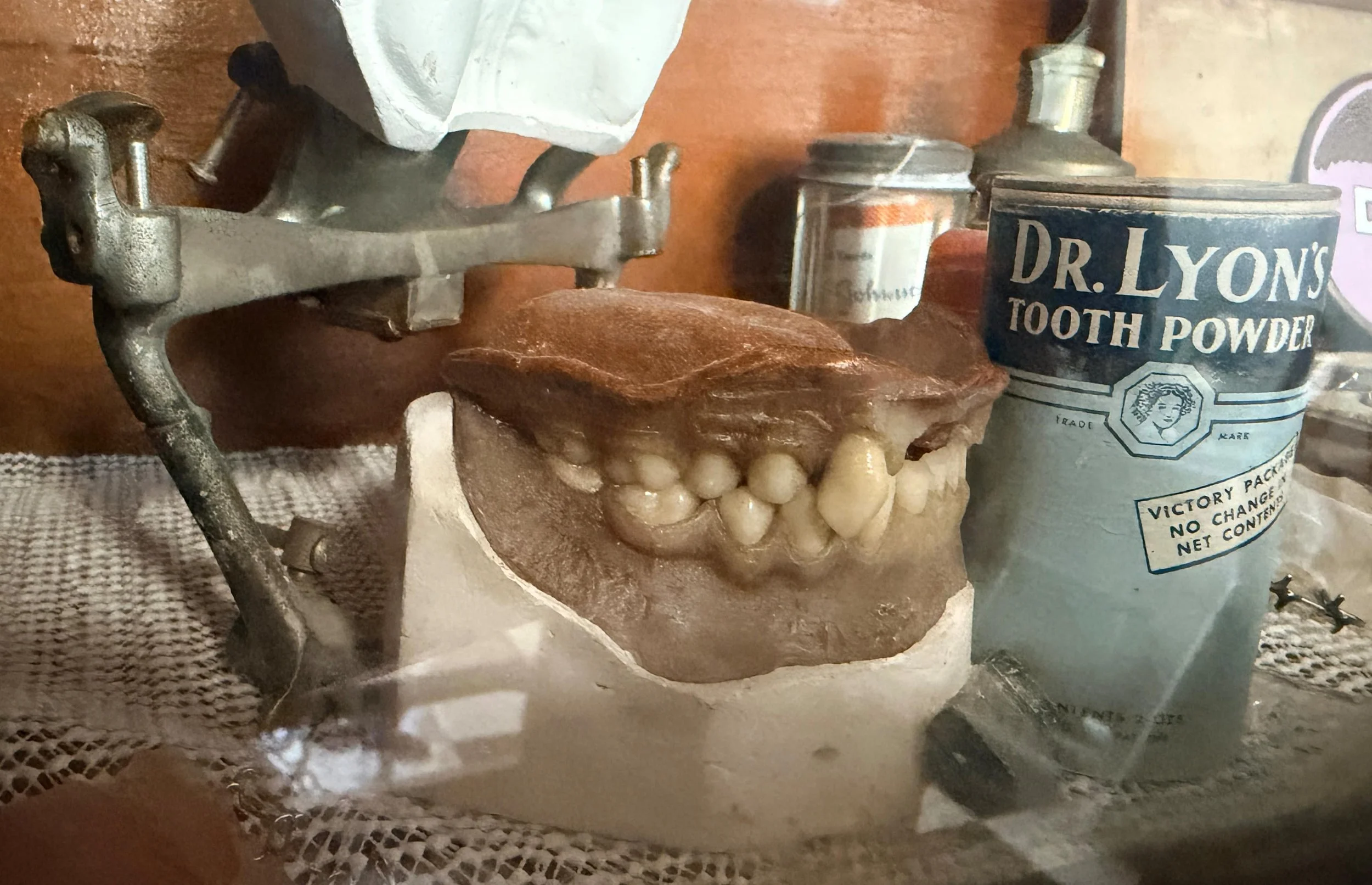
Dr. Lyon’s Tooth Powder and a set of vintage dentures on a dental articulator
Early Dentures and Prosthetics
The museum also displayed several examples of early dentures and removable partial dentures. Some of the pieces appear to be made from vulcanized rubber, which became a common denture base material in the late 1800s.
Compared with modern dentures, these early appliances look bulky and somewhat crude. Advances in dental materials and laboratory techniques have dramatically improved the comfort, appearance, and function of modern prosthetics.
Today dentures and implant-supported restorations are designed with remarkable precision, allowing patients to regain both function and confidence in their smiles.
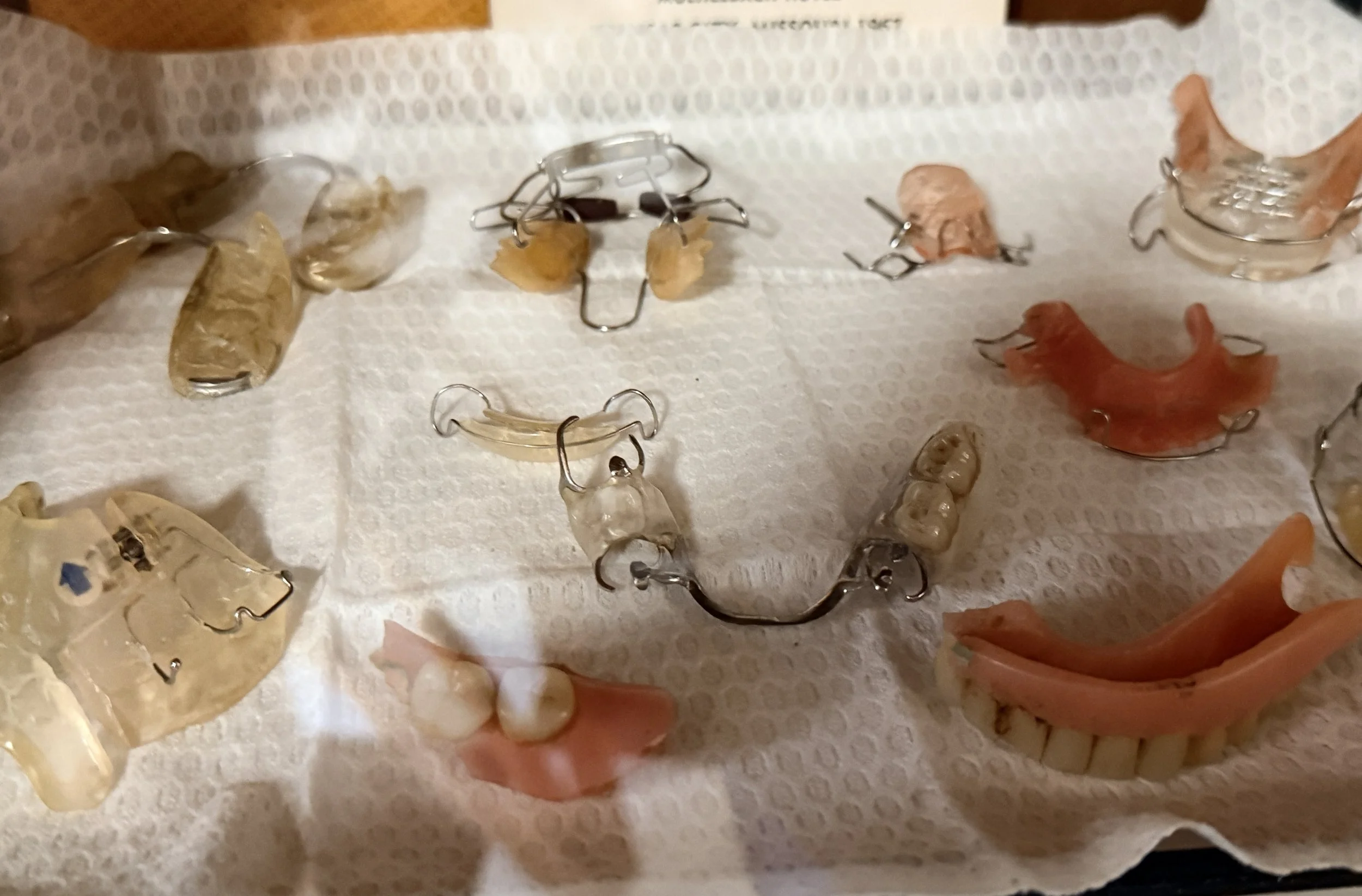
Various vintage dental appliances
The Tooth Key: An Extraction Tool from Another Era
One of the most striking exhibits was a framed collection of instruments known as tooth keys. These tools were commonly used for dental extractions in the eighteenth and nineteenth centuries.
The instrument worked somewhat like turning a key in a lock. The dentist would hook the device around the tooth and rotate it to remove the tooth from the socket. While the method could remove teeth quickly, it often caused damage to surrounding bone and tissue.
Modern extraction instruments eventually replaced the tooth key because they allow far more controlled and predictable removal of teeth. Seeing an entire display of these instruments today is both fascinating and a little unsettling.
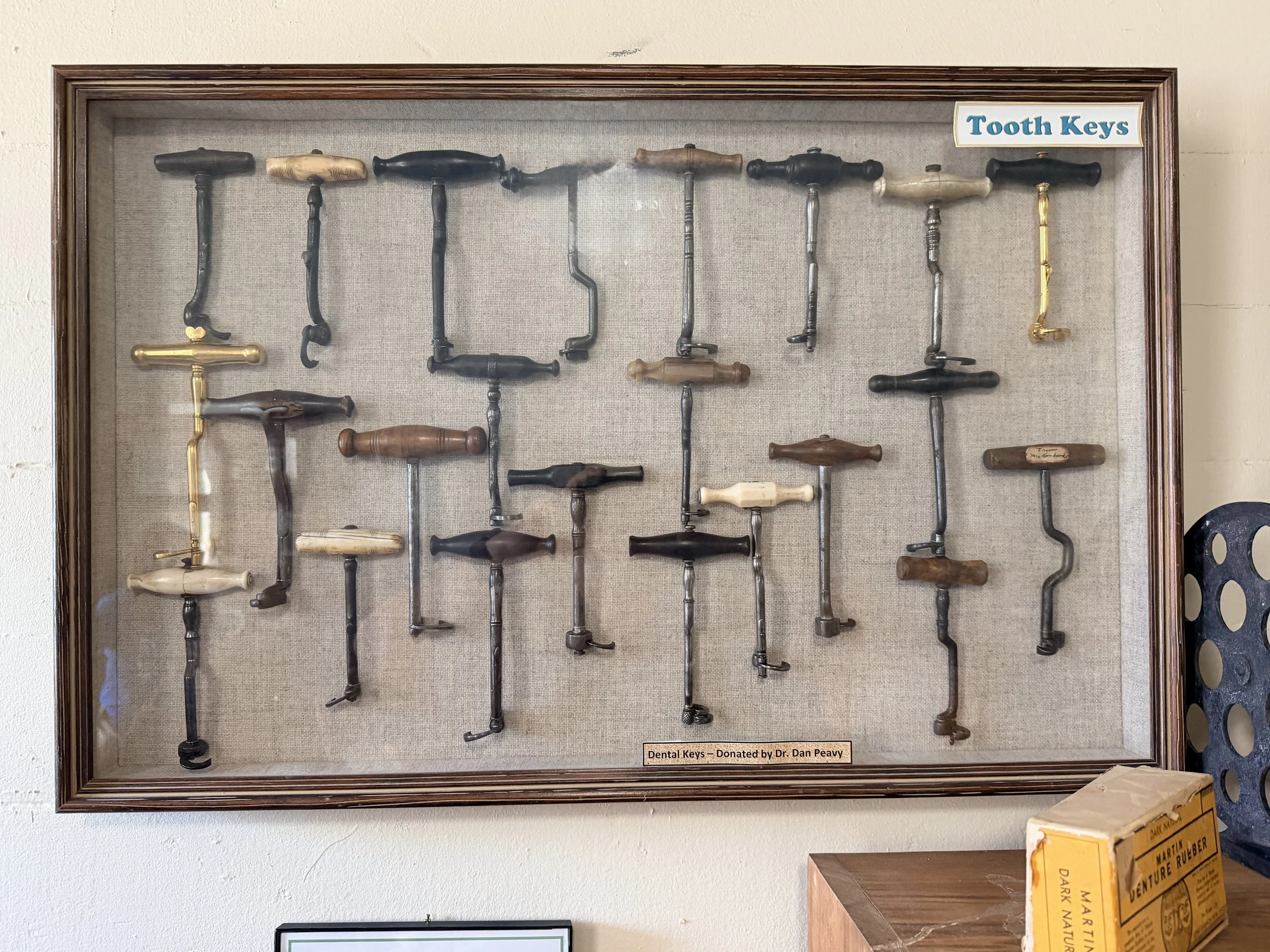
Vintage tooth keys used for dental extractions
Toothache Remedies from the 1800s
Another artifact that stood out was an old advertisement promoting “Cocaine Toothache Drops.” In the late nineteenth century, cocaine was widely used in medicine as a local anesthetic.
Eventually safer anesthetics such as procaine (Novocaine) and modern dental anesthetics replaced it. The advertisement serves as a reminder of how much pharmaceutical science has progressed over the past century.
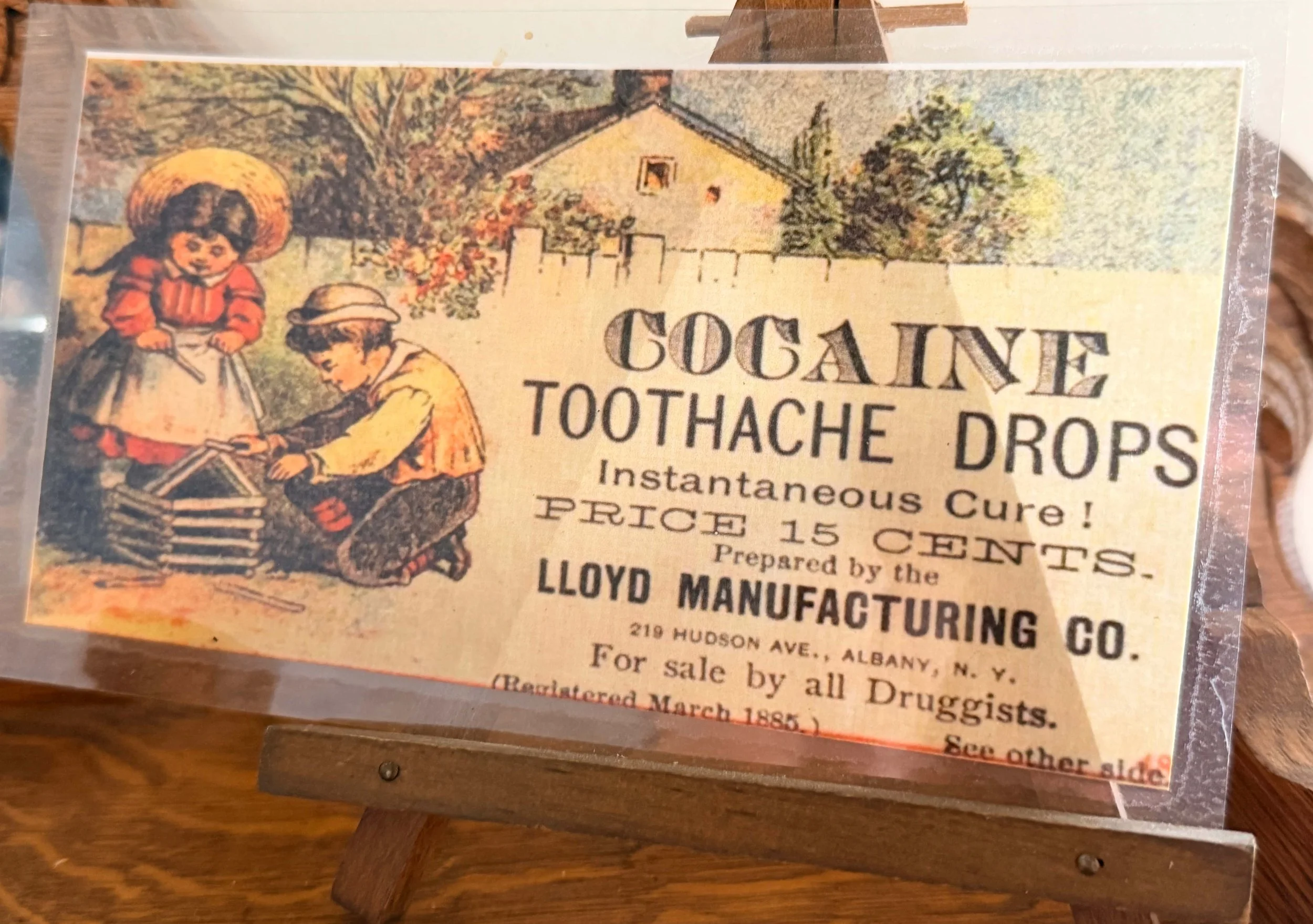
Cocaine Tooth Drops used for toothaches circa 1885
The Foot-Powered Dental Drill
Although I didn’t manage to photograph it, the museum also has a fascinating example of a foot-powered dental drill, sometimes called a treadle dental engine. The dentist would operate a pedal with their foot to spin a flywheel connected to the drill through a belt.
Compared with earlier hand-powered drills, this invention represented a major step forward because it allowed continuous rotation and more efficient removal of decay.
Modern dental handpieces rotate at hundreds of thousands of revolutions per minute, making procedures faster, more precise, and far more comfortable for patients.
How Far Dentistry Has Come
Walking through the museum makes it clear just how dramatically dentistry has evolved over the past century. Early dentists worked with mechanical drills, limited anesthesia, and instruments that were often crude by modern standards.
Today dentistry focuses heavily on prevention, advanced imaging, and minimally invasive techniques designed to preserve natural tooth structure whenever possible.
Seeing these historic tools is a powerful reminder of how innovation continues to improve the care we provide for our patients.
A Hidden Texas Medical History Museum
For anyone interested in medical history, the Pharmacy and Medical Museum of Texas in Cuero is well worth a visit. It offers a fascinating glimpse into the tools and techniques used by doctors, pharmacists, and dentists during the early days of modern medicine.
For dentists, it also serves as a reminder that the technology we rely on today grew out of generations of experimentation and discovery.
About Dr. David R. Rivera
Dr. David R. Rivera provides comprehensive dental care in Victoria, Texas, with a focus on prevention, oral wellness, and modern dental technology. His practice emphasizes patient education and advanced diagnostics to help patients maintain healthy smiles for life.