
Why Do We Call It Tartar? A Curious Dental Word with a Wine History
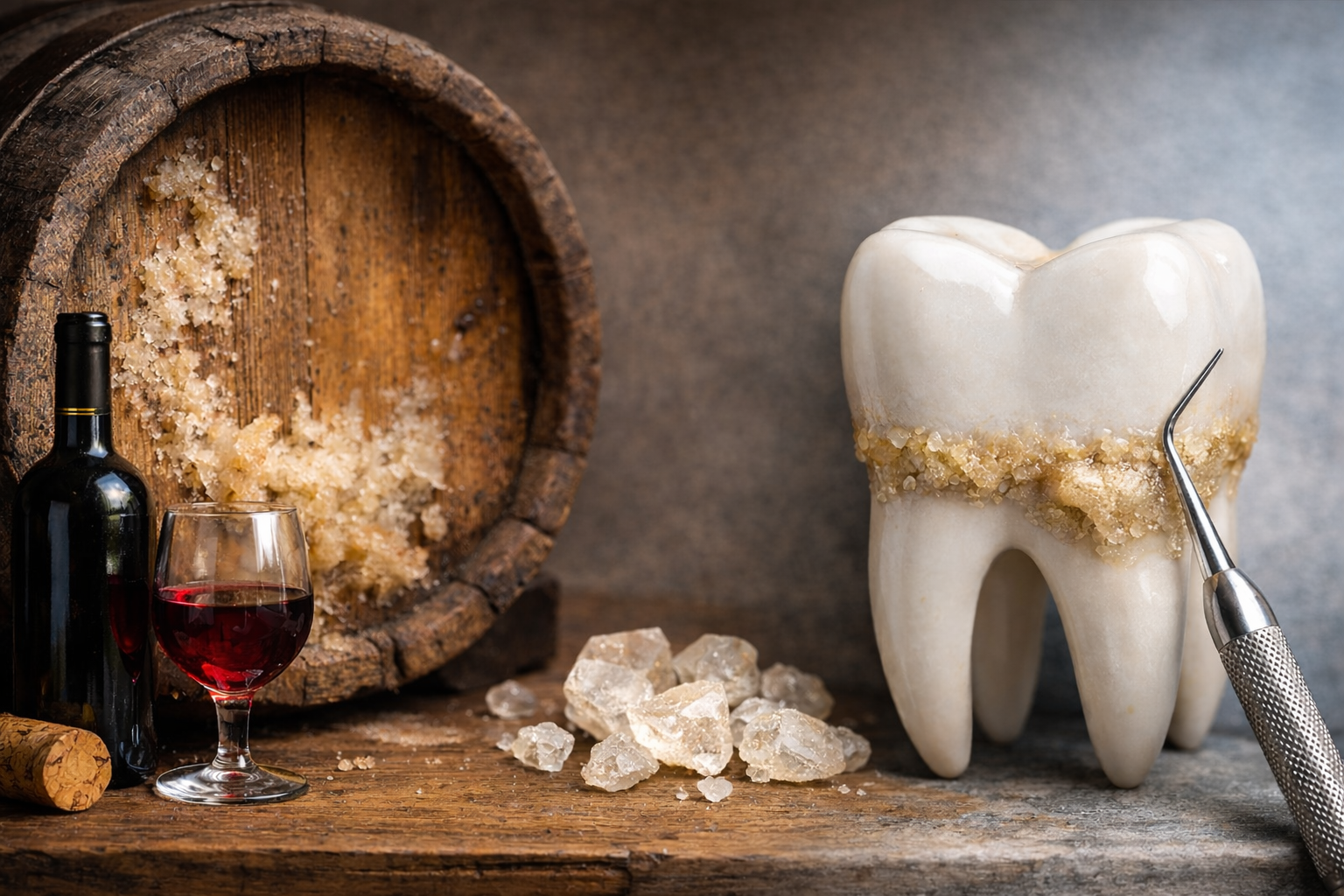
Patients ask us this more often than you might think: What exactly is tartar—and why do we call it that?
It sounds like a strange word for something related to teeth, and honestly, it is. The reason has very little to do with dentistry and everything to do with wine, minerals, and history.
Once you know the story, the word actually makes a lot of sense.
What dental tartar actually is
In dentistry, tartar is the common name for what we clinically call calculus. It forms when soft plaque is left on teeth long enough for minerals in saliva to harden it into a stone-like deposit.
Once plaque turns into tartar, it becomes firmly attached to the tooth surface. At that point, brushing and flossing alone won’t remove it—it requires professional preventive cleanings to be safely removed.
The surprising origin of the word “tartar”
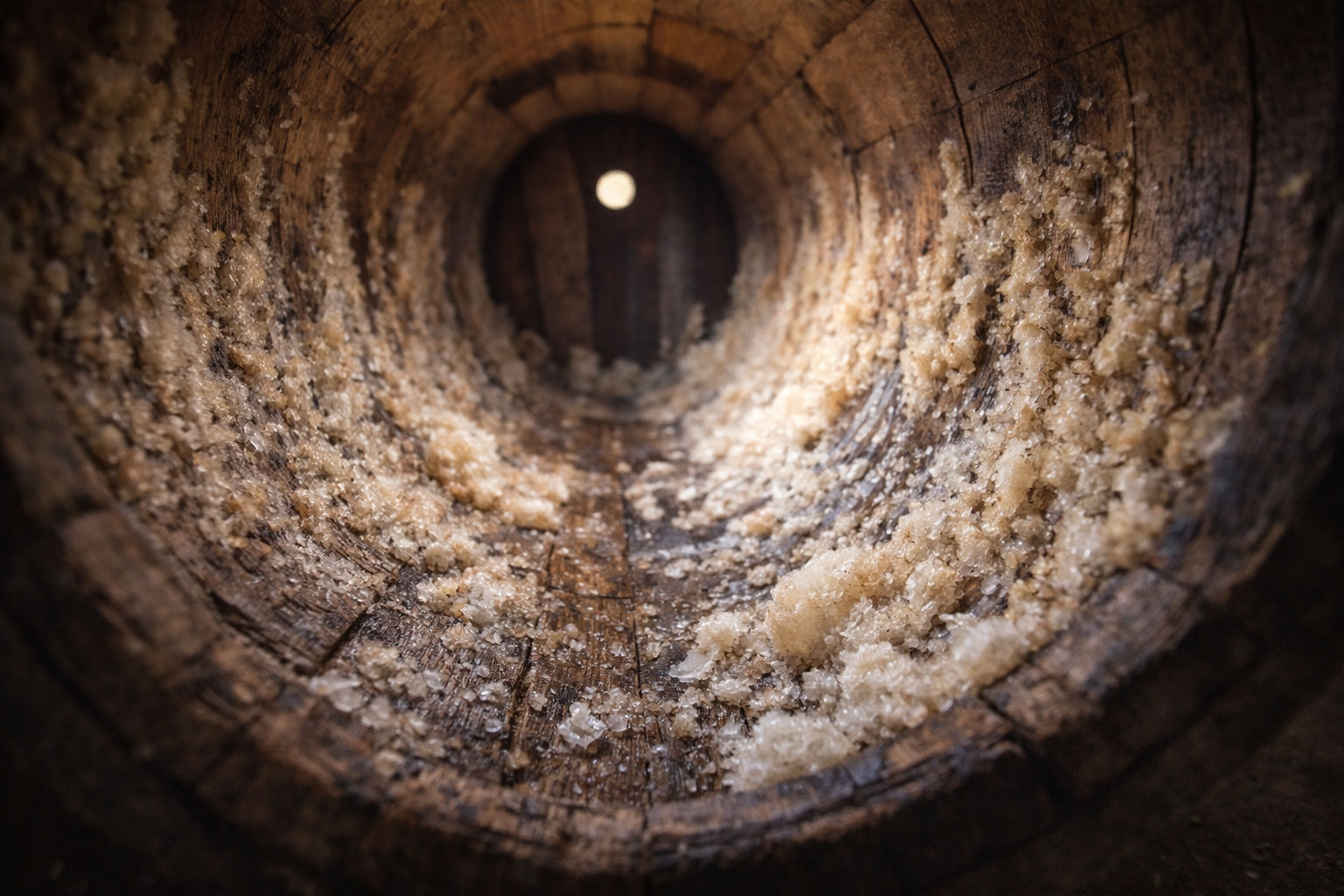
Wine tartar crystals in a wine barrel are composed mainly of potassium bitartrate
The word tartar didn’t start in dentistry at all.
Centuries ago, winemakers noticed hard crystalline deposits forming inside wine barrels during fermentation. These crusty mineral buildups were difficult to remove and firmly attached to the barrel surface.
They called this substance tartar.
Those wine barrel deposits were made primarily of potassium bitartrate, a mineral salt that forms naturally from tartaric acid found in grapes.
When early physicians and dentists later observed hardened, stone-like buildup forming on teeth, the comparison was obvious. The material behaved the same way—hard, mineralized, and stubborn—so the name carried over, even though the chemistry was completely different.
Same behavior.
Different substance.
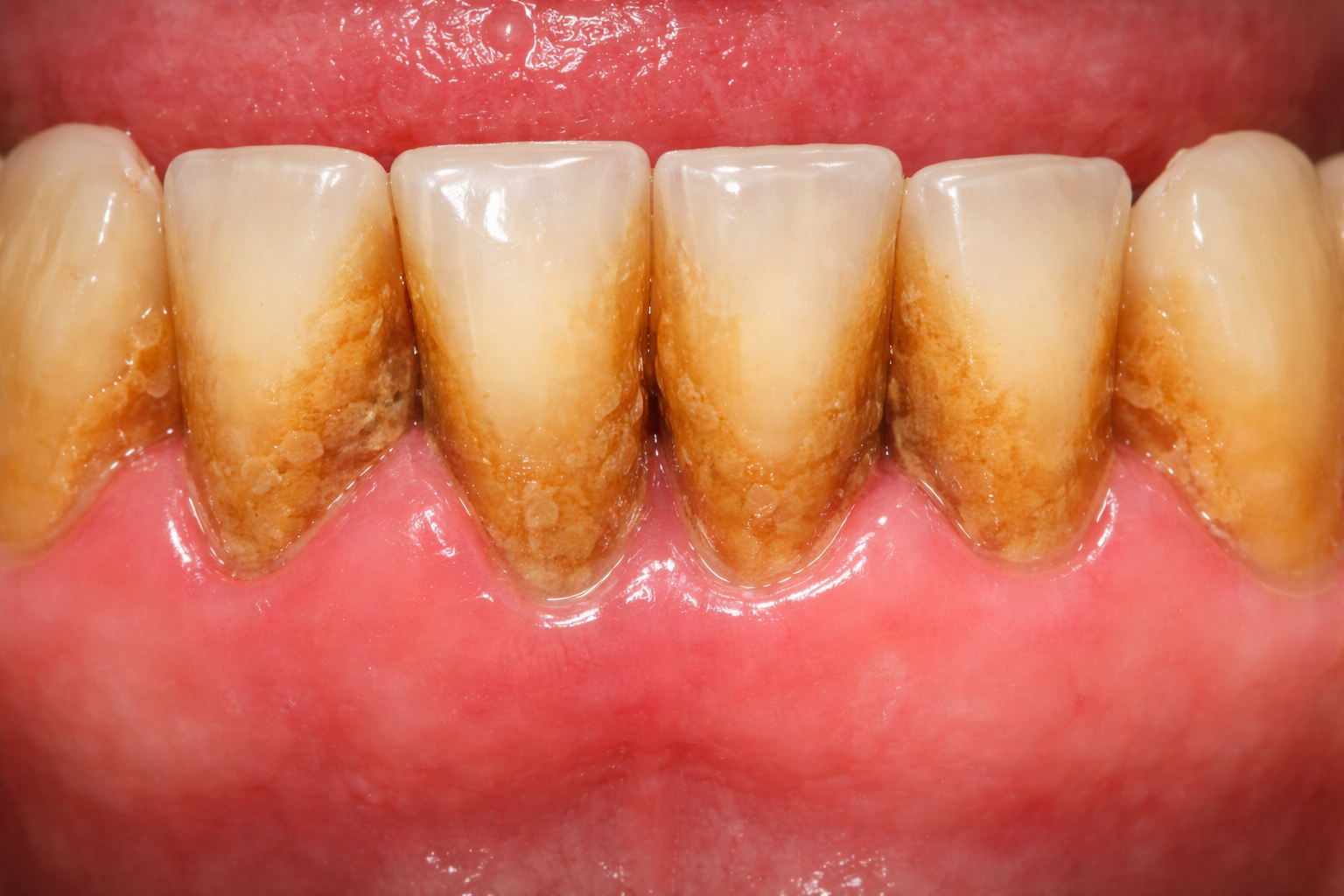
Dental tartar otherwise known as calculus
Where “calculus” comes in
As dentistry evolved into a formal medical discipline in the late 18th and early 19th centuries, the profession began adopting more precise, Latin-based terminology.
That’s when calculus—from the Latin word meaning small stone—became the preferred clinical term for the hard stony build up around teeth. You’ll still see it used today in dental records, textbooks, and research.
But language is funny.
Even though the dental term calculus has been around for more than 200 years, the word tartar stuck in everyday use because it was visual, intuitive, and easy for patients to understand.
A quick note about cream of tartar
This is where the wine connection actually still exists.
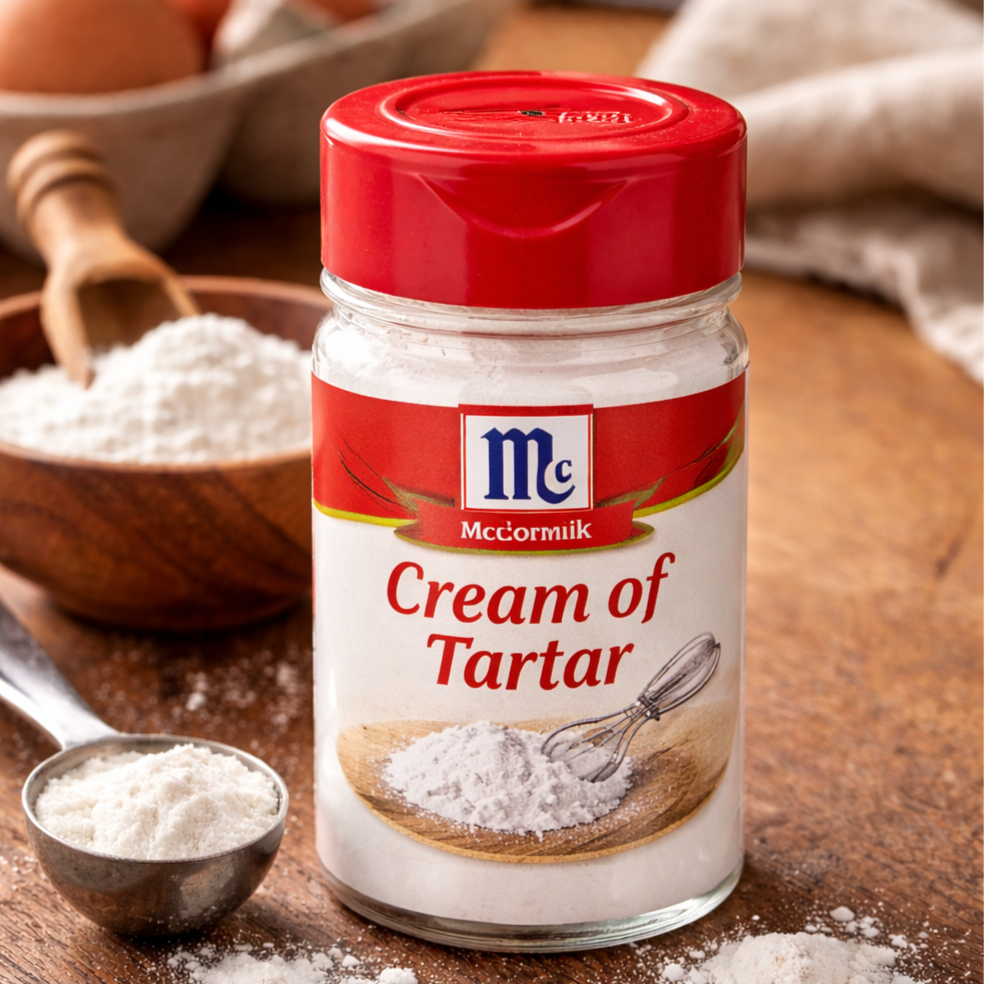
Cream of tartar is a purified form of potassium bitartrate—the same mineral that once crusted the inside of wine barrels. Despite the name it isn’t creamy, it isn’t dairy, and it has nothing to do with teeth.
It’s simply the refined version of wine tartar, now used in baking.
So while dental tartar only borrowed the name, cream of tartar is the real historical descendant of winemaking residue.
Why this matters for your oral health
Dental tartar isn’t food debris. It’s plaque that’s been given enough time to mineralize.
Once that happens, dental tartar can irritate gum tissue, contribute to gingival inflammation, increase the risk of periodontal disease, and act as a long-term reservoir for harmful bacteria in the mouth.
That’s why preventive care focuses so heavily on plaque control, oral hygiene, and regular professional cleanings—to stop tartar before it has a chance to form.
The simple takeaway
The word tartar may sound old-fashioned, but the process behind it is very real and relevant to today’s dentistry. And the next time you hear the word tartar, you’ll know it has a surprisingly long history—one that began in wine barrels centuries before it ever became part of dentistry.