
Pregnancy and Oral Health: Why the Mouth–Body Connection Matters More Than Ever
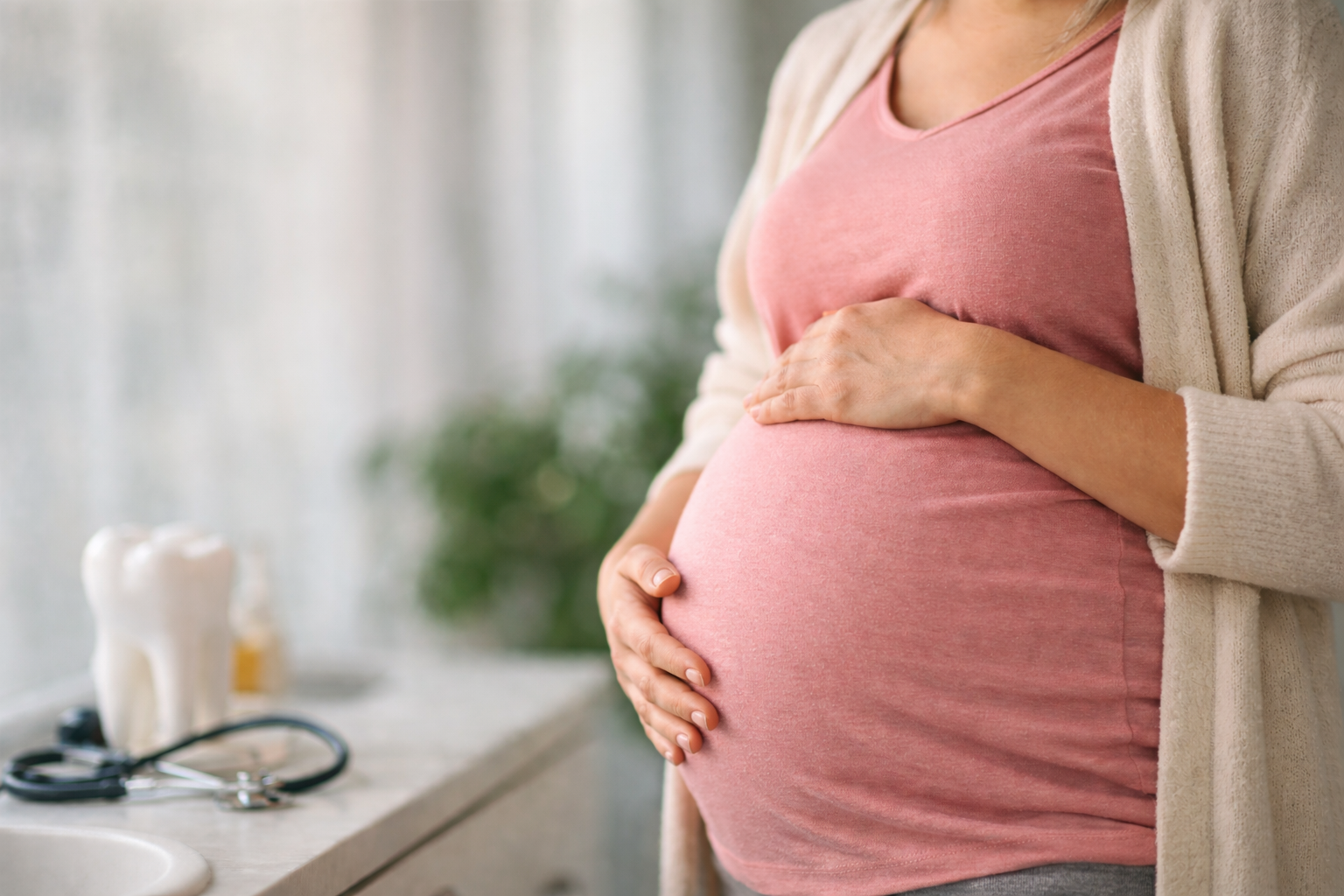
Pregnancy is a remarkable physiologic state. The body adapts rapidly to support new life, and nearly every system—from circulation to immunity—changes in the process. What often goes unnoticed is how profoundly these changes affect the mouth.
During pregnancy, oral health matters more than many people realize—not because pregnancy “causes” dental disease, but because it amplifies inflammation in places where it already exists.
Pregnancy Is a Pro-Inflammatory State
Hormonal shifts during pregnancy increase blood flow and alter immune responses throughout the body. This is normal and expected. But it also means tissues—especially the gums—can react more intensely to bacterial biofilm.
Plaque that may have caused minimal irritation before pregnancy can suddenly trigger redness, swelling, and bleeding. This is why many pregnant patients experience gum changes even when their oral hygiene routine hasn’t changed.
The key point is this:
pregnancy doesn’t create gum disease—it magnifies inflammation where biofilm is present.
Bleeding Gums Are Common, But They’re Still a Signal
Bleeding gums during pregnancy are often dismissed as “normal.” While they are common, bleeding is still a sign of inflammation. It’s the body’s response to bacteria at the gumline, intensified by hormonal changes.
Ignoring that signal doesn’t protect the pregnancy—it simply allows inflammation to persist.
Addressing oral inflammation early is part of supporting overall maternal health.
The Mouth–Body Connection During Pregnancy
Pregnancy already places increased demands on the body’s inflammatory systems. Oral inflammation adds to that burden. This is why modern dentistry and medicine increasingly recognize oral health as part of comprehensive prenatal care.
This doesn’t mean dental disease causes pregnancy complications. It means that reducing unnecessary sources of inflammation is a sensible, preventive approach—especially during a time when the body is already working harder than usual.
Dental Care During Pregnancy Is Not Only Safe—It’s Recommended
One of the most common concerns I hear is fear about dental care during pregnancy. In reality, preventive dental visits, cleanings, and necessary treatments are widely recommended during pregnancy and supported by medical guidelines.
Avoiding dental care often allows small, manageable issues to progress into larger ones—something no expectant parent wants to deal with.
Other Oral Changes to Be Aware Of
Pregnancy can also affect:
Saliva composition and flow
Acid exposure from morning sickness or reflux
Sensitivity and enamel stability
These changes make gentle prevention, good timing, and individualized recommendations more important than ever.
A Preventive Mindset
The goal during pregnancy isn’t aggressive treatment—it’s stability.
Keeping gums calm, biofilm controlled, and enamel protected helps maintain balance during a period of profound physiologic change. Small preventive steps taken early often prevent the need for more involved care later.
Final Thoughts
Pregnancy doesn’t turn the mouth into a problem—it turns it into a barometer.
It reveals areas where inflammation is already present and asks for a more thoughtful, supportive approach. Paying attention to oral health during pregnancy is part of caring for the whole person—not just their smile.
That perspective reflects how dentistry is evolving: toward prevention, biology, and whole-body health.
— Dr. David R. Rivera